


19 Oct 2026 · 8 min read
Getting Your Car Fixed in Santa Ana: A 2026 Neighborhood Guide
A category-by-category look at where Santa Ana drivers go for repair, tires, brakes, transmissions, body work and glass in 2026.
santa ana california auto repair18 October 2026 · 7 min read
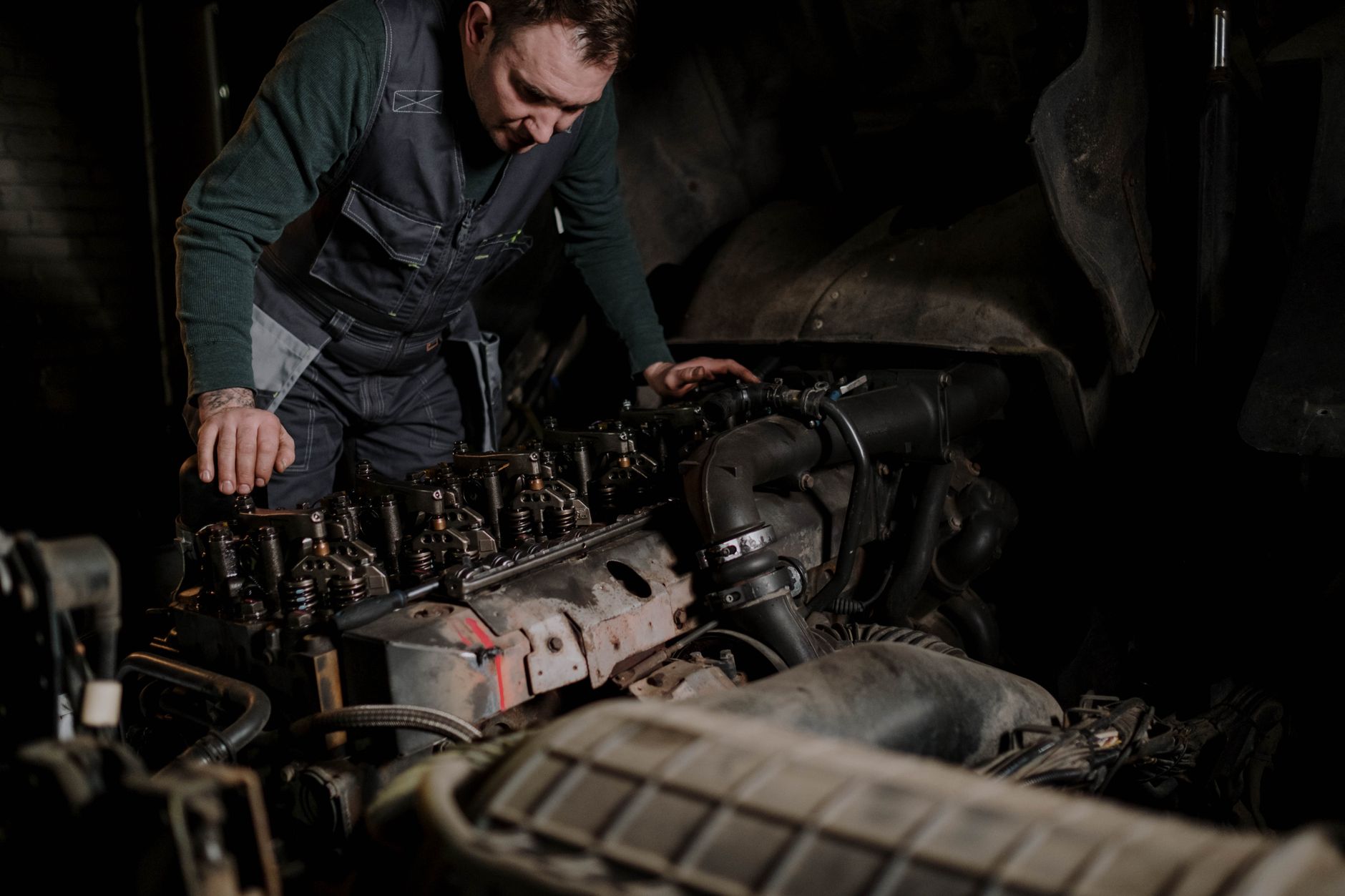
A diesel engine and a gasoline engine solve the same problem — turning fuel into motion — in genuinely different ways. Diesels compress air until it's hot enough to ignite fuel on contact, with no spark plugs involved, and they run that compression at much higher pressure than a gas engine ever sees. That difference shows up everywhere in the maintenance a diesel actually needs: heavier-duty oil, different filtration, a fuel system that's far less forgiving of contamination, and components like turbochargers, glow plugs or injectors that gas engines simply don't have.
In a city like Houston, where diesel trucks are everywhere — construction fleets, towing rigs, long-haul trucks passing through on I-10 and I-45, and plenty of diesel pickups used for daily driving and towing — that distinction matters. A shop that's excellent with gasoline sedans isn't automatically equipped to handle a diesel fuel system or read the fault codes a modern diesel throws. Knowing the difference before something breaks saves a trip to the wrong shop.
A few of the biggest differences drivers run into:
None of this means diesel ownership is harder — just that it rewards finding a shop that works on diesels regularly rather than occasionally. It also means diesel owners tend to get more warning before a failure becomes serious: most of the systems above throw a dashboard light or a noticeable change in performance (rough idle, loss of power under load, visible smoke) well before they strand the vehicle. Catching those early signs and getting them looked at promptly is usually what separates a routine repair from an expensive one.
Houston's climate and driving patterns — long highway stretches, stop-and-go traffic, and serious summer heat — put specific stress on diesel systems. Shops that specialize in diesel repair in the Houston area see a recurring set of issues: injector wear from fuel quality variation, turbo boost leaks, DPF clogging on trucks that spend a lot of time idling or in short-trip city driving, and cooling system strain during peak summer heat.
Longhorn Diesel, in southwest Houston, is one of the higher-volume diesel specialists in the area, built specifically around diesel engine diagnostics and repair rather than general auto service.
Diesel Engine Repair · Houston, Texas
A few miles north, Beltway Diesel works on diesel trucks under the truck-repair category, which is worth knowing: a lot of diesel work in Houston is filed under truck repair rather than "diesel engine repair," since many diesel vehicles on the road are pickups and commercial trucks.
Truck Repair Shops · Houston, Texas
Not every diesel problem needs a specialist. Basic oil changes, brake work, tire rotations and general maintenance can usually be handled by any competent general shop that's comfortable with diesel-rated fluids. Where specialization starts to matter is diagnostics: fault codes on modern diesels, turbo and boost issues, injector testing, and anything touching the emissions system (DPF, EGR, SCR) tend to go faster and get diagnosed more accurately at a shop that works on diesels day in and day out.
SILVANY DIESEL TRUCK and Diesel repair JJF, both listed under diesel engine repair in Houston, are examples of shops built around that specific category rather than general repair.
Diesel Engine Repair · Houston, Texas
Diesel Engine Repair · Houston, Texas
For something smaller or a second opinion, Geo's Superior Diesel rounds out the local options under the same category.
Diesel Engine Repair · Houston, Texas
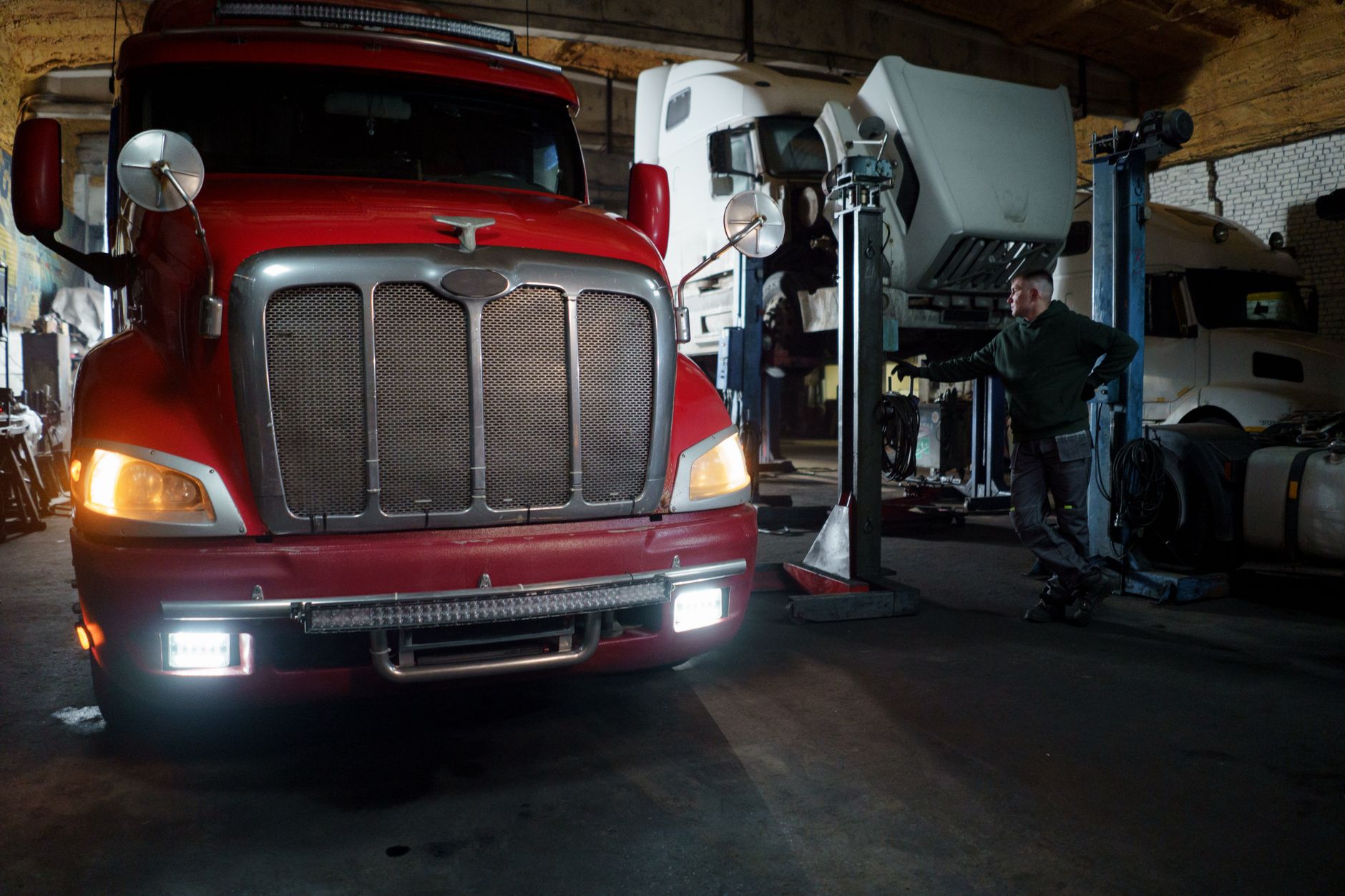
The table below is a general guide to what's involved in common diesel-related work — not a price list, since rates vary by shop, vehicle size and parts needed. Always check current rates directly with the shop.
| Service | What it typically involves | Who usually handles it |
|---|---|---|
| Oil and filter change | Diesel-rated oil, heavier-duty filtration, sometimes tied to engine hours rather than just mileage | General shop or diesel specialist |
| Fuel filter replacement | Draining and replacing primary/secondary filters, bleeding air from the fuel system | Diesel specialist preferred |
| Turbocharger diagnosis | Checking for boost leaks, worn seals, or wastegate issues using diagnostic tools | Diesel specialist |
| Injector testing or replacement | Pressure testing and, if needed, replacing high-pressure fuel injectors | Diesel specialist |
| DPF/EGR service | Inspecting or cleaning emissions components tied to diesel-specific regulations | Diesel specialist |
| Cooling system service | Checking radiator, hoses and coolant under heavy-load conditions | General shop or diesel specialist |
The directory's diesel engine repair listings in Houston cover every diesel specialist in the city, and the truck repair category in Houston is a good second stop since a lot of diesel work overlaps with commercial truck service. For general repair needs that don't require a diesel specialist, the auto repair shops in Houston listing covers the broader market, and the Houston city page ties every category together in one place.
Diesel trucks and heavy pickups are harder to tow than a standard sedan, both because of their weight and because towing them incorrectly can damage the drivetrain. If a diesel vehicle breaks down on the road rather than in a driveway, it's worth confirming a towing company is equipped for the vehicle's size before it arrives.
Pj Pro Towing is listed under towing services in Houston and operates on a 24-hour basis, which matters for a highway breakdown that doesn't happen during business hours.
Towing Services · Houston, Texas

A short list of questions that separate a shop that occasionally sees diesels from one that specializes in them:
None of these questions require giving up on a shop that doesn't specialize full-time in diesel — plenty of general repair shops do solid diesel maintenance work. They're simply useful for figuring out, before paying for diagnostics, whether a given shop is the right fit for the specific problem at hand.
It's also worth asking how a shop handles fleet or commercial accounts if the vehicle in question is used for work. A lot of diesel repair demand in Houston comes from contractors, delivery operators and towing companies that can't afford a truck sitting idle for days, and shops built around diesel work are generally set up to communicate a repair timeline clearly rather than leaving a commercial customer guessing. If the vehicle is a daily driver rather than a work truck, that's less of a factor, but it's still reasonable to ask how long a given diagnostic typically takes before committing to leave the vehicle.
Diesel engines aren't more fragile than gasoline engines, but they fail differently and get fixed differently. Routine maintenance — oil, filters, cooling system — can go to almost any competent shop that's comfortable with diesel-rated fluids. Anything touching the fuel system, turbocharger or emissions components goes faster and more accurately at a shop built around diesel work specifically. Houston's directory of diesel engine repair listings and truck repair shops is a reasonable starting point for narrowing that choice down before a problem turns into a bigger one.
19 Oct 2026 · 8 min read
A category-by-category look at where Santa Ana drivers go for repair, tires, brakes, transmissions, body work and glass in 2026.
santa ana california auto repair
17 Oct 2026 · 8 min read
What pulling, uneven tire wear and an off-center steering wheel mean, and how Anaheim drivers can get an alignment checked and fixed.
anaheim california wheel alignment
16 Oct 2026 · 7 min read
What drives auto repair, tire, transmission and body shop quotes in Stockton, CA, plus real local shops to call for comparison.
stockton california auto repair