



19 Oct 2026 · 8 min read
Getting Your Car Fixed in Santa Ana: A 2026 Neighborhood Guide
A category-by-category look at where Santa Ana drivers go for repair, tires, brakes, transmissions, body work and glass in 2026.
santa ana california auto repair17 October 2026 · 8 min read
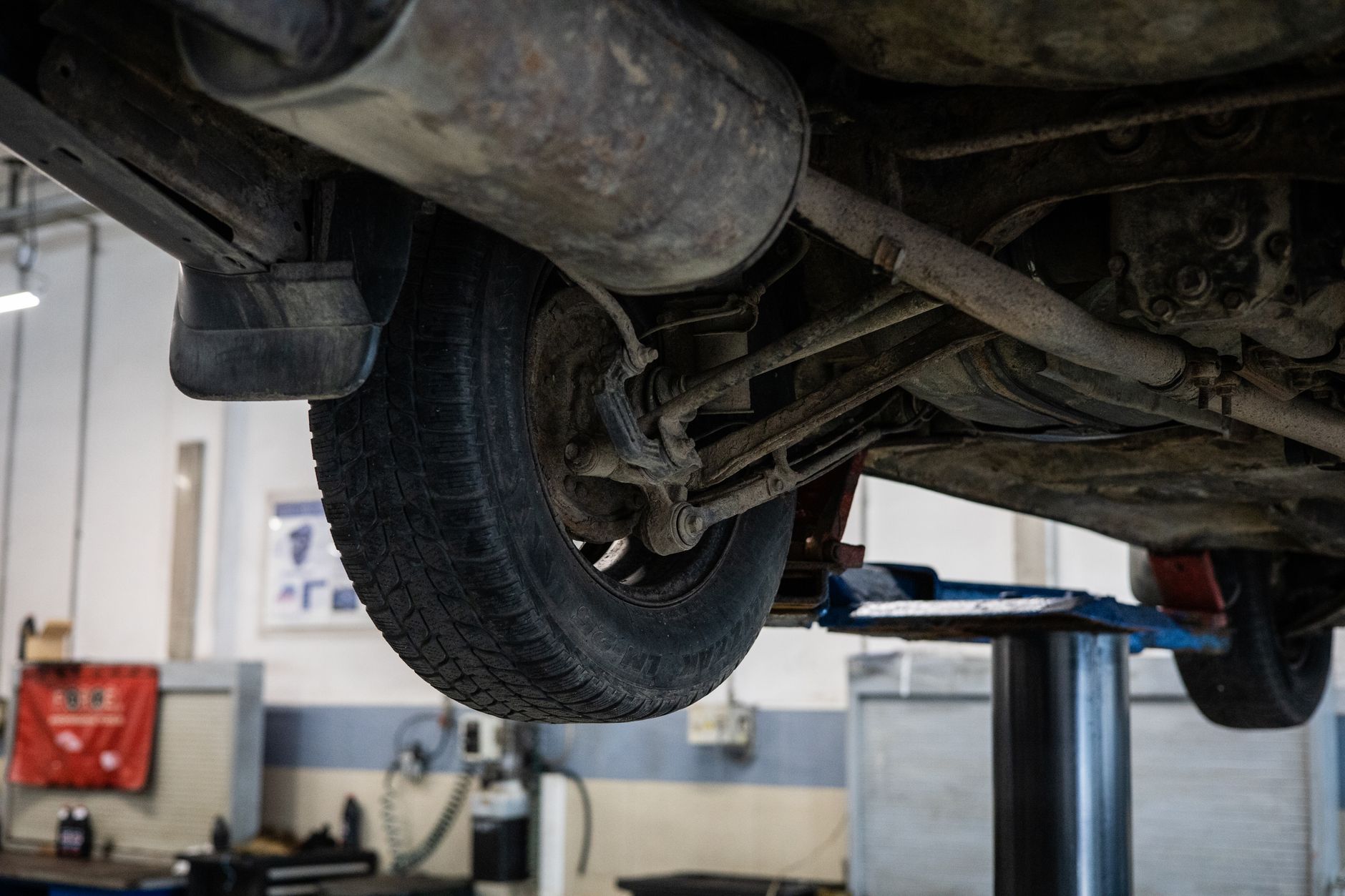
A car that pulls to one side, a steering wheel that sits crooked on a straight road, or front tires wearing down faster on the inside edge are all signs pointing to the same underlying issue: the wheels are no longer aligned the way the manufacturer intended. In a city like Anaheim, where daily driving mixes surface streets, the 5, the 57 and the 91, potholes and the occasional curb tap at a tight intersection are part of normal wear and tear. Catching an alignment problem early protects your tires, your suspension, and your fuel economy, and it is one of the cheaper repairs you can make compared to replacing a set of tires months ahead of schedule.
This guide walks through what alignment actually does, the signs that something is off, what a shop checks during an appointment, and how to pick the right place in Anaheim to get it fixed.
Alignment refers to adjusting the angles of the wheels so they meet the road at the correct angle relative to each other and to the vehicle's frame. Technicians typically check three measurements: camber (the inward or outward tilt of the wheel when viewed from the front), toe (whether the wheels point slightly in or out relative to each other), and caster (the forward or backward tilt of the steering axis, which affects steering stability).
None of this is cosmetic. Correct alignment keeps the contact patch of each tire flat against the road, which is what lets the tire wear evenly and grip predictably. When even one of these angles drifts out of spec, the tire starts riding on an edge or a corner instead of its full tread, and the car has to fight itself to go straight.
Wheel Alignment Services · Anaheim, California
Shops that specialize in alignment, like the one above, use a computerized rack with sensors clipped to each wheel, which gives a live readout of all three angles before and after adjustment. General repair shops and many tire shops also offer alignment, usually on the same kind of rack, since it is a routine part of tire and suspension service.
The most common signs are not subtle once you know what to look for:
Any one of these on its own is worth a check. More than one together is a strong signal to schedule an appointment soon rather than waiting.
These three services get bundled together in conversation, but they solve different problems, and a shop might recommend one, two, or all three depending on what they find.
| Service | What it fixes | Typical interval |
|---|---|---|
| Wheel alignment | The angle of the wheels relative to the road and each other | When symptoms appear, or after suspension work, new tires, or a curb/pothole impact |
| Tire balancing | Uneven weight distribution around a tire/wheel assembly that causes vibration | With new tires, or if vibration appears at speed |
| Tire rotation | Uneven wear from front/rear weight and steering differences | Roughly every 5,000–7,500 miles, check your owner's manual |
A car can need all three at once, especially if a wear problem has gone unaddressed for a while. A shop that catches a rotation visit turning into an alignment conversation is doing its job, not upselling for its own sake.
Alignment does not drift on its own in a vacuum. A few things speed it up:
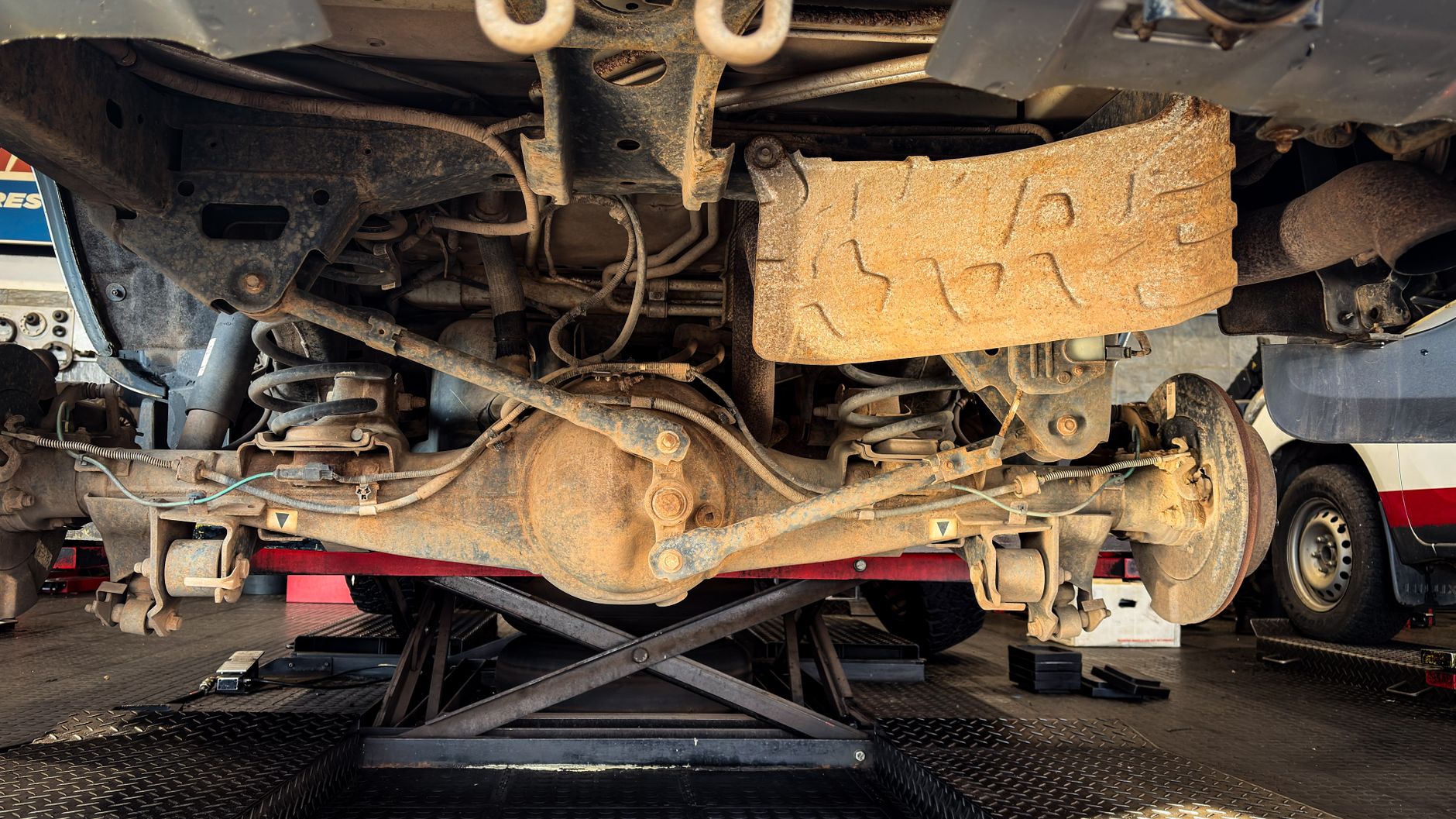
An alignment adjustment only holds if the parts that connect the wheel to the frame are in good shape. A technician checking alignment will typically also inspect:
If any of these show excessive play or visible wear, a shop should flag it before doing the alignment itself, since adjusting angles on a worn component is a short-term fix at best.
A typical visit starts with the car on a lift with sensor targets clipped to each wheel. The technician gets a baseline reading of camber, toe, and caster on all four wheels, compares it to the manufacturer's spec for that make and model, and then adjusts the suspension's adjustment points (usually at the control arms and tie rods) until the numbers fall within range. Most shops print or email a before-and-after readout so you can see exactly what changed.
Brake Shops · Anaheim, California
Expect the car to be on the rack for under an hour for a standard four-wheel alignment, longer if a worn part needs replacing first or if the car requires special adjustment hardware. Ask whether the shop performs a four-wheel alignment (checking and adjusting front and rear) rather than a front-end-only alignment, since many modern vehicles have adjustable rear suspension geometry too.
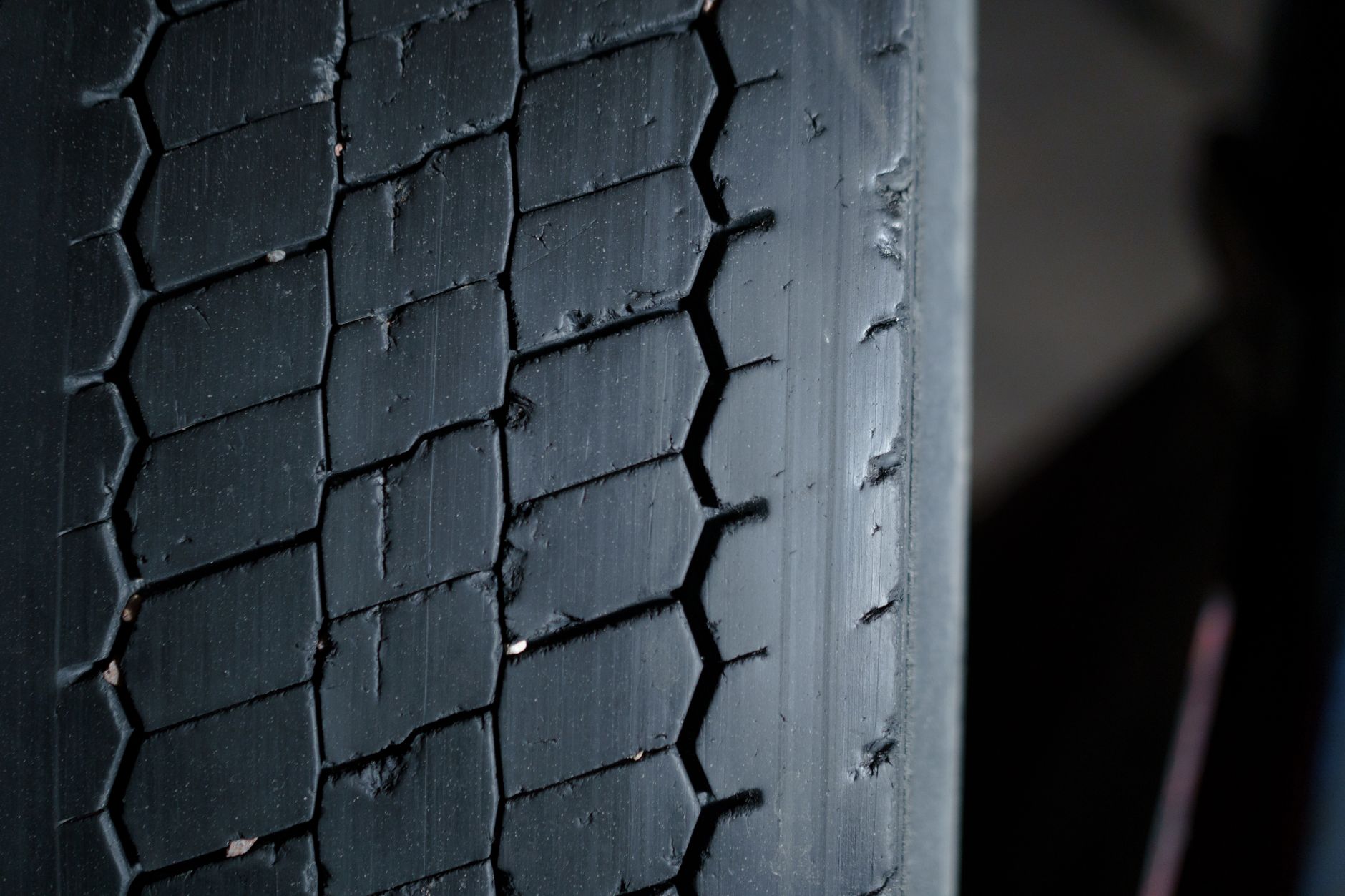
Reading your tire's wear pattern is one of the simplest diagnostic tools available to a driver without any special equipment.
| Wear pattern | Likely cause |
|---|---|
| Wear concentrated on the inside edge | Excessive negative camber or toe-in |
| Wear concentrated on the outside edge | Excessive positive camber or toe-out |
| Feathered edges (smooth one direction, sharp the other) | Toe misalignment |
| Cupping or scalloped wear spots | Worn shocks/struts or an out-of-balance tire |
| Even wear across the center only | Overinflation |
| Even wear on both outer edges | Underinflation |
Tire Shops · Anaheim, California
Tire Shops · Anaheim, California
A shop that sells and installs tires, like the two listed above, is a reasonable place to raise a wear-pattern question even if you are not buying tires that day, since diagnosing the cause of wear is part of fitting the next set correctly.
A few different types of shop handle alignment work, and the right one depends on what else your car needs:
Auto Repair Shops · Anaheim, California
Auto Repair Shops · Anaheim, California
Brake Shops · Anaheim, California
Whichever shop you choose, ask for the before-and-after alignment printout, confirm whether it is a two-wheel or four-wheel alignment, and ask what warranty (if any) applies if the alignment drifts again soon after. You can browse the directory's full list of auto repair shops in Anaheim, tire shops in Anaheim, and brake shops in Anaheim to compare options, or see every listed service in the city on the Anaheim business directory page.
Alignment pricing varies by shop, by whether it is a two-wheel or four-wheel service, and by whether any worn parts need replacing first. Rather than guessing at a number here, call ahead and ask the shop directly for their current alignment price and whether it includes a printed before-and-after readout — check current rates, since they shift and vary by vehicle type. If a technician tells you a part needs replacing before the alignment will hold, ask to see the worn part or the measurement that shows the play, which any shop confident in its diagnosis should be glad to walk you through.
If your car pulls to one side, the steering wheel sits off-center on a straight road, or you notice uneven tire wear, don't wait for it to get worse. An alignment check is quick, the diagnosis is visible on a printout, and catching the problem early is far cheaper than replacing a prematurely worn set of tires. Start with a shop that can show you the before-and-after numbers, ask whether any suspension or steering components need attention first, and get a four-wheel check rather than a front-end-only one if your vehicle supports it.
19 Oct 2026 · 8 min read
A category-by-category look at where Santa Ana drivers go for repair, tires, brakes, transmissions, body work and glass in 2026.
santa ana california auto repair
18 Oct 2026 · 7 min read
What sets diesel engine service apart in 2026, the problems Houston diesel owners run into most, and how to find a shop equipped to handle them.
houston texas diesel repair
16 Oct 2026 · 7 min read
What drives auto repair, tire, transmission and body shop quotes in Stockton, CA, plus real local shops to call for comparison.
stockton california auto repair