What Car Repairs Really Cost in San Antonio in 2026
03 October 2026 · 8 min read
San Antonio is one of the fastest-growing cities in Texas, and the vehicles on its freeways reflect that growth: long highway commutes on I-10, I-35 and Loop 410, plenty of trucks and SUVs, and a climate that runs from mild winters to brutal summer heat. All of that shows up in repair bills. Heat wears out belts, hoses and air conditioning systems faster. Long commutes rack up mileage that pulls routine maintenance forward on the calendar. None of this means you have to overpay — it means it helps to know what actually drives a shop's price before you book an appointment.
This guide walks through the major categories of car repair in San Antonio — oil changes, brakes, transmission work, tires and alignment, and body work — and explains what makes each one cost more or less. It is not a price list. Shops set their own rates, and a fair quote depends on your specific vehicle, the parts it needs and the shop's labor rate, so always check current rates directly with a shop rather than assuming a number from the internet. What follows is a guide to the variables worth asking about.
Why repair costs vary so much in San Antonio
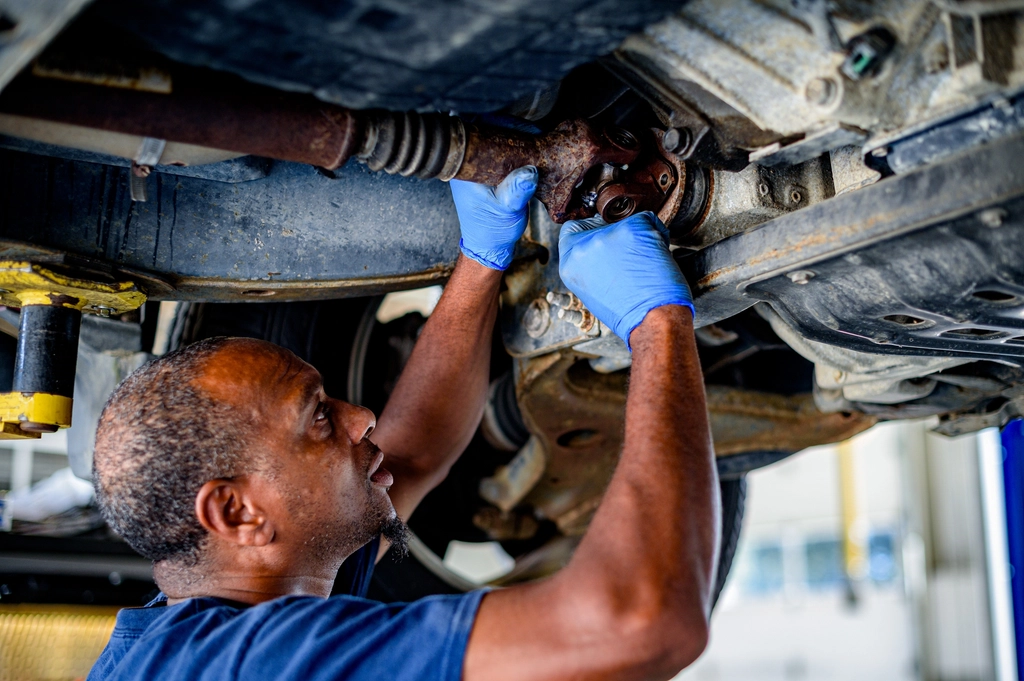
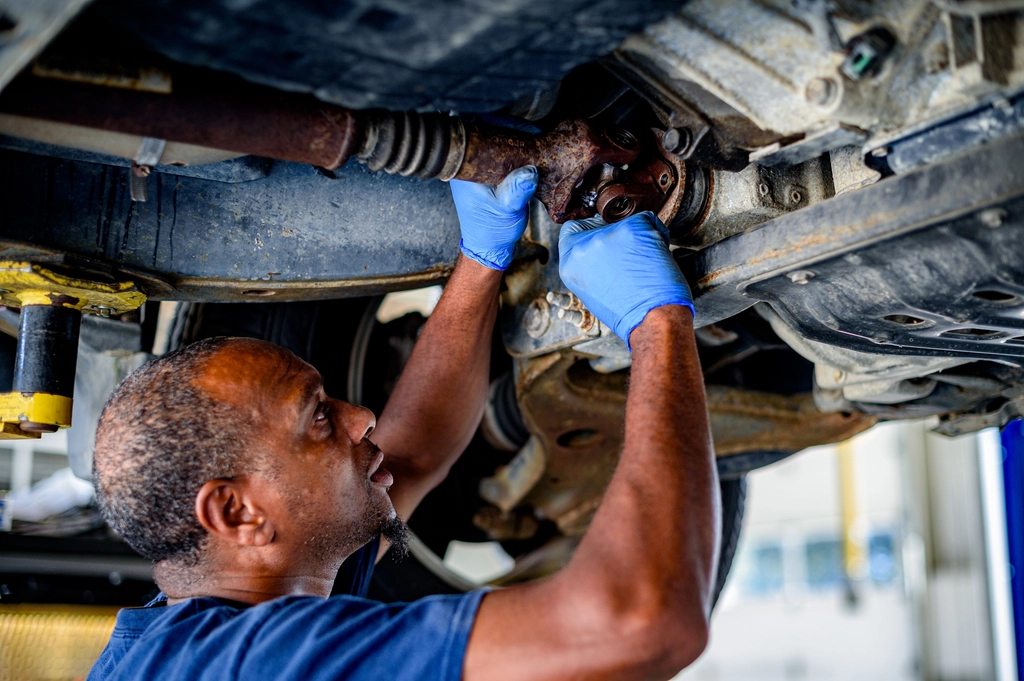
Three things mostly decide what you pay: parts, labor time and labor rate. Parts cost depends on your vehicle — a part for a common sedan is usually cheaper and easier to source than one for a low-volume import or a heavy-duty diesel truck. Labor time depends on how accessible the component is; a job that requires removing a subframe or draining a transmission takes longer than one that does not. Labor rate varies by shop type: independent general-repair shops in San Antonio often post lower hourly rates than new-car dealerships, while specialty shops (transmission, diesel, European import) may charge more because of the training and tooling the work requires.
Where you are in the city can matter too. Shops near major employment corridors and highway interchanges tend to see more walk-in and fleet traffic, which can mean shorter scheduling windows but also busier bays. A shop that lists its hours and services on its listing page is usually the easiest to plan around, since you can check before you call.
General repair, specialty shops and mobile mechanics
San Antonio's repair market breaks down into a few distinct tiers, and which one fits your situation affects price as much as the repair itself. General-repair shops handle the bulk of routine work — brakes, belts, batteries, check-engine diagnostics — across most makes and models, and they're usually the most competitively priced option for common jobs. Specialty shops, which focus on a single make, a drivetrain type (diesel, hybrid, EV) or an import brand, charge more per hour but bring deeper experience with that platform's quirks, which can mean fewer comebacks and less time spent on trial-and-error diagnosis.
Mobile mechanics are a third option worth considering for simpler jobs — diagnostics, battery and alternator swaps, brake work that doesn't require a lift — since they come to your home or office rather than requiring you to arrange a ride. They won't be the right fit for anything that needs a lift, alignment rack or specialized bay equipment, but for a car that won't start in a parking lot, a mobile mechanic can save you a tow.
Oil changes and other routine maintenance
Routine maintenance — oil and filter changes, fluid top-offs, belt and hose inspections — is the most predictable category of repair cost, because the labor time is fixed and the parts are standardized. The main variable is oil type: conventional, synthetic blend or full synthetic, plus filter quality. Full synthetic oil costs more per quart but is specified by many newer engines and typically supports longer intervals between changes, so compare the interval, not just the per-visit price.
Quick-lube chains emphasize speed and no-appointment service, while full-service general repair shops will often fold an oil change into a broader inspection — checking brake pad thickness, tire tread and battery health at the same visit. That bundled inspection has real value: catching a thinning brake pad during an oil change is cheaper than waiting for it to start grinding.
Brake cost scales with how much hardware needs replacing. A straightforward pad swap, where the rotors are still within spec, is the simplest version of the job. Once rotors need resurfacing or replacement — common once they're scored or below minimum thickness — the price step up, because rotors are a parts cost on top of labor. Calipers, which rarely fail but can stick or leak, add another step up again, and because they're tied to the brake hydraulic system, a caliper replacement usually requires bleeding the brake lines.
Ask the shop to show you the measured pad and rotor thickness rather than just taking a verbal "they need replacing." Reputable brake shops in San Antonio will generally pull a wheel and show you the wear in person or in photos before quoting the job.
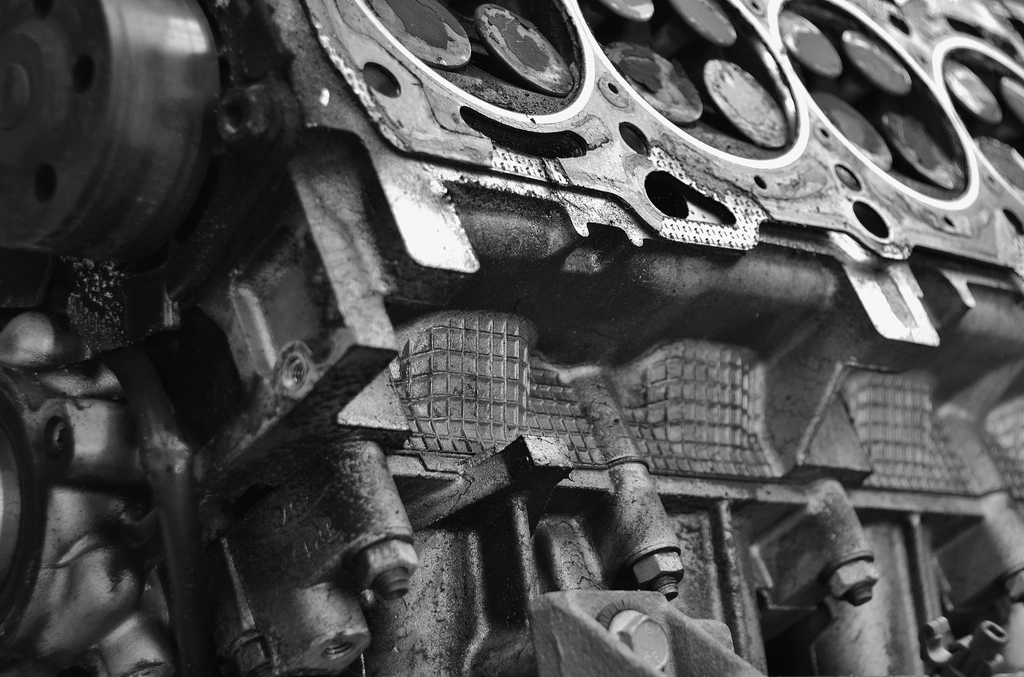
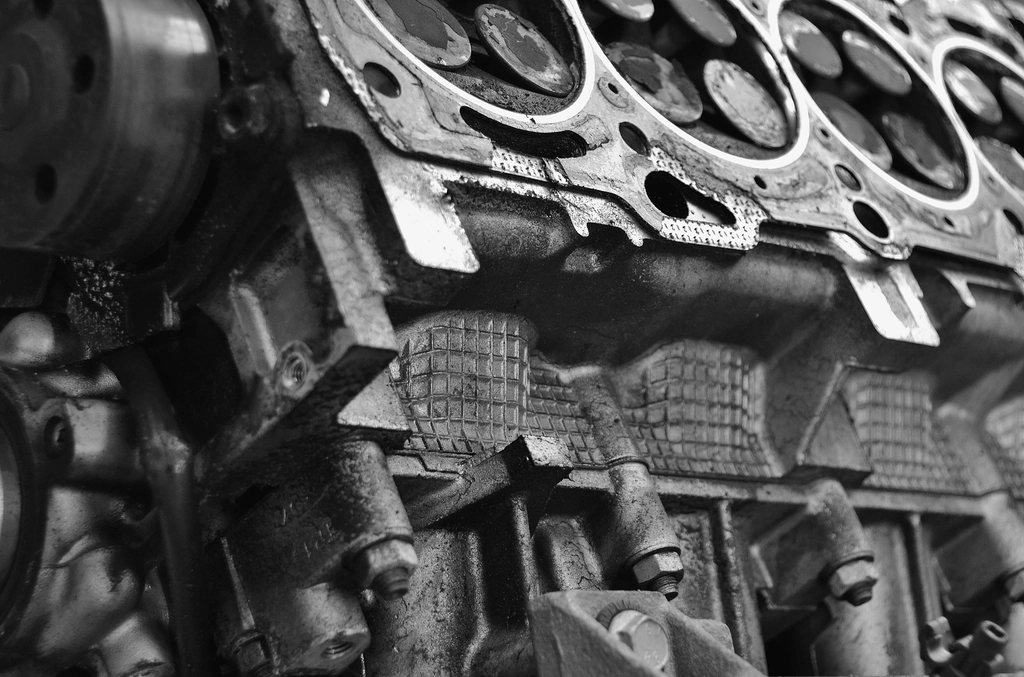
Transmission jobs span the widest cost range of any repair category, because "transmission problem" can mean anything from a $20 sensor to a full rebuild. A fluid service or a solenoid replacement is a relatively contained repair. A rebuild — where the transmission is removed, disassembled, worn parts replaced and reassembled — is a multi-day labor-intensive job. Replacing with a remanufactured unit is often faster than a rebuild but depends on unit availability for your specific vehicle and transmission type.
Because the stakes are high, get a second opinion before authorizing a rebuild or replacement. A shop that specializes in transmission repair will usually run a diagnostic scan and a road test first, and a few will offer a written estimate that separates diagnosis from the repair itself, so you're not paying twice if you decide to get a second quote.
Tire cost depends on size, speed rating and tread design, and all three are dictated by your vehicle, not by preference — a shop can recommend a tire but your vehicle's door-jamb sticker sets the size and load range you need. Alignment is a separate line item from tire replacement, though many shops bundle it with new tires since a bad alignment will chew up a fresh set of tires unevenly. If you've hit a curb or a deep pothole, ask specifically whether the shop checks alignment as part of a suspension inspection, since steering and suspension wear can mimic tire problems.
Mounting and balancing are usually priced per tire or per set, and road-hazard coverage — if a shop offers it — is worth asking about separately, since it covers a flat or sidewall puncture during the life of the tire rather than normal wear.
Collision and body work pricing is driven almost entirely by the extent of the damage and whether it's a cosmetic repair or a structural one. A scuffed bumper cover that can be sanded, filled and repainted is a cosmetic job. Damage that's pushed into a fender liner, a quarter panel or the frame requires more disassembly, more parts, and in some cases frame-straightening equipment that not every shop has on site.
If your vehicle is still drivable, get more than one estimate — body shops vary more in their quotes than mechanical shops because so much of the job (paint matching, panel alignment, parts sourcing) is judgment-based. If insurance is involved, you're entitled to choose your own collision repair shop rather than the one the insurer suggests, though the insurer may require their own estimate first.
A useful estimate separates parts from labor and names the parts by brand or at least by category (OEM, aftermarket, remanufactured). That breakdown is what lets you compare two shops fairly — a lower total quote isn't necessarily the better deal if it's using a lower-grade part where your vehicle calls for something more durable.
It's also reasonable to ask whether the labor rate is fixed or based on a flat-rate manual (a standard time allotted for a given job regardless of how long it actually takes a given technician). Most independent shops and dealerships use flat-rate time, which is one reason two shops can quote the same job differently even at similar hourly rates — their estimate of how long the job "should" take can differ.
Repair category
Main cost drivers
Where price swings the most
Oil change / routine maintenance
Oil type (conventional vs. synthetic), filter grade
Minimal — fairly standardized
Brakes
Rotor condition, caliper health, pad material
Rotor replacement vs. resurfacing
Transmission
Fluid service vs. rebuild vs. replacement
Rebuild labor hours, unit availability
Tires & alignment
Tire size/rating required by your vehicle, number of tires
Full set vs. single tire, alignment bundling
Auto body / collision
Cosmetic vs. structural damage, paint matching
Frame work, parts sourcing, paint blend
Timing your repairs around San Antonio's climate
A few repairs are worth tackling proactively rather than waiting for a warning light, given the local climate. Air conditioning systems work harder here than almost anywhere else in the country for roughly half the year, so a refrigerant leak or a failing compressor clutch tends to get discovered at the worst possible time — the first 100-degree week of the year, when every shop's AC bay is backed up. Having a system checked in spring, before peak heat, usually means a shorter wait and more scheduling flexibility. Similarly, tire rubber ages faster under sustained heat and UV exposure, so a tire that looks fine by tread depth alone can still be a candidate for replacement sooner than the mileage would suggest — ask a shop to check the manufacture date (molded into the sidewall) if your tires are more than a few years old regardless of tread.
The takeaway
San Antonio has enough independent shops, specialty transmission and brake shops, tire dealers and collision centers that price-shopping is realistic — you're rarely limited to a single option for a given repair. The fastest way to protect your budget isn't finding the single cheapest shop; it's getting a written, itemized estimate, asking what specifically is worn or damaged, and getting a second opinion on any job in the four-figure range, especially transmission and major body work. Check a shop's listing page for its hours, services and reviews before you call, so you walk in already knowing what to ask.