


19 Oct 2026 · 8 min read
Getting Your Car Fixed in Santa Ana: A 2026 Neighborhood Guide
A category-by-category look at where Santa Ana drivers go for repair, tires, brakes, transmissions, body work and glass in 2026.
santa ana california auto repair13 October 2026 · 8 min read
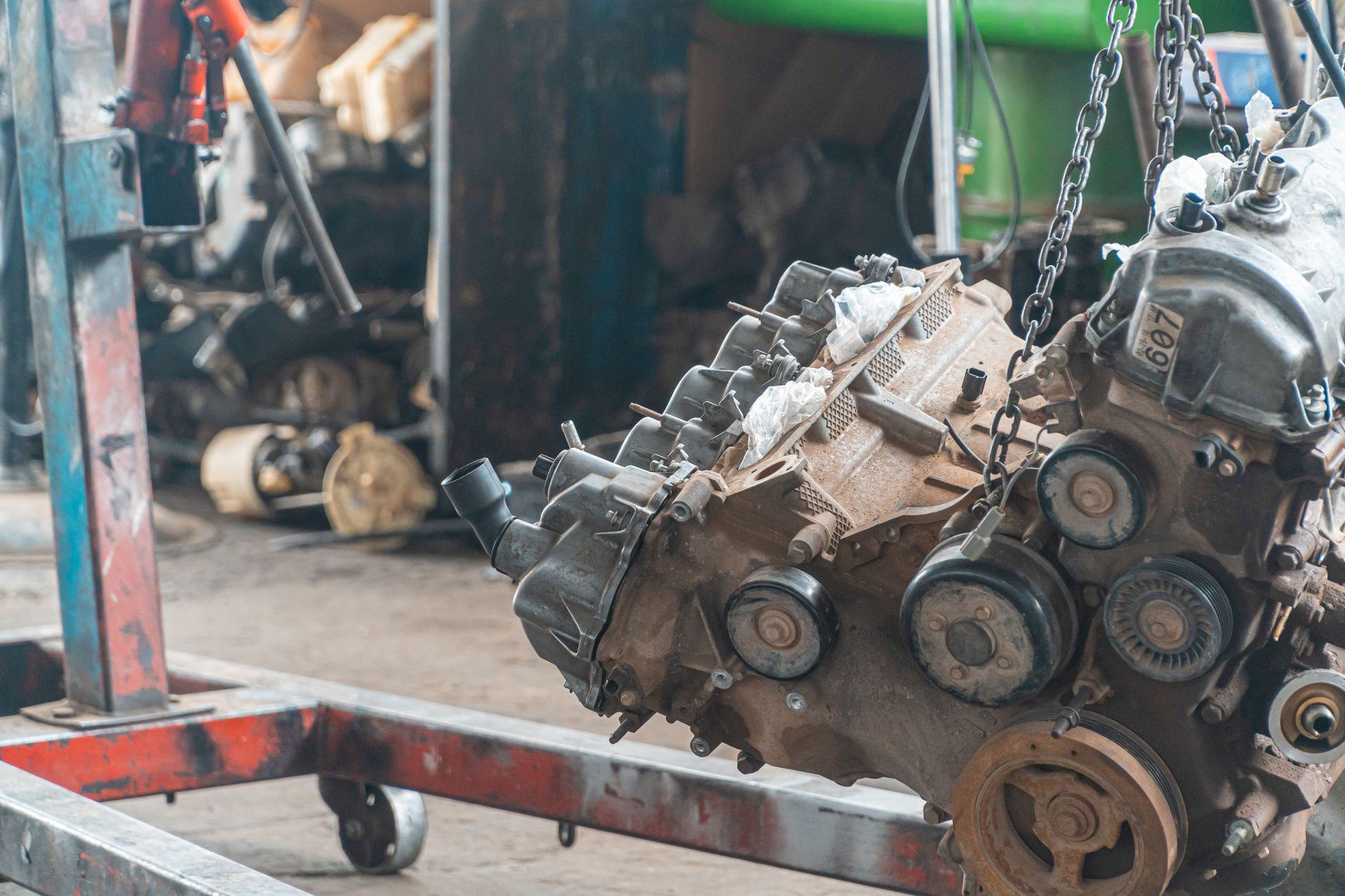
A transmission problem rarely announces itself all at once. It usually starts small: a shift that takes a half-second longer than it used to, a faint whine on the freeway on-ramp, a shudder when the car downshifts at a stoplight. By the time the dashboard lights up, most drivers in Riverside have already been living with the symptom for weeks, hoping it would go away on its own. It won't, and the shop you choose to look at it matters almost as much as catching the problem early.
Riverside has a deep bench of repair options, from dedicated transmission specialists in the Arlington and La Sierra areas to general repair shops near downtown that handle everything from oil changes to engine rebuilds. Knowing which kind of shop fits your situation, and what a trustworthy diagnosis looks like, can save real money and prevent a small fix from turning into a full replacement.
Not every rough shift or dashboard warning means the transmission itself is failing. A loose electrical connector, a low-voltage battery, or a bad sensor can trigger a "check engine" or "check transmission" light that has nothing to do with the gearbox. That said, certain symptoms point specifically at the transmission rather than the engine or another system:
Auto Repair Shops · Riverside, California
If you're not sure which of these applies, a general repair shop like the one above can run a diagnostic scan and tell you whether the problem is electrical, mechanical, or transmission-specific before you commit to a specialist. That first step is worth the diagnostic fee, because it tells you where to go next.
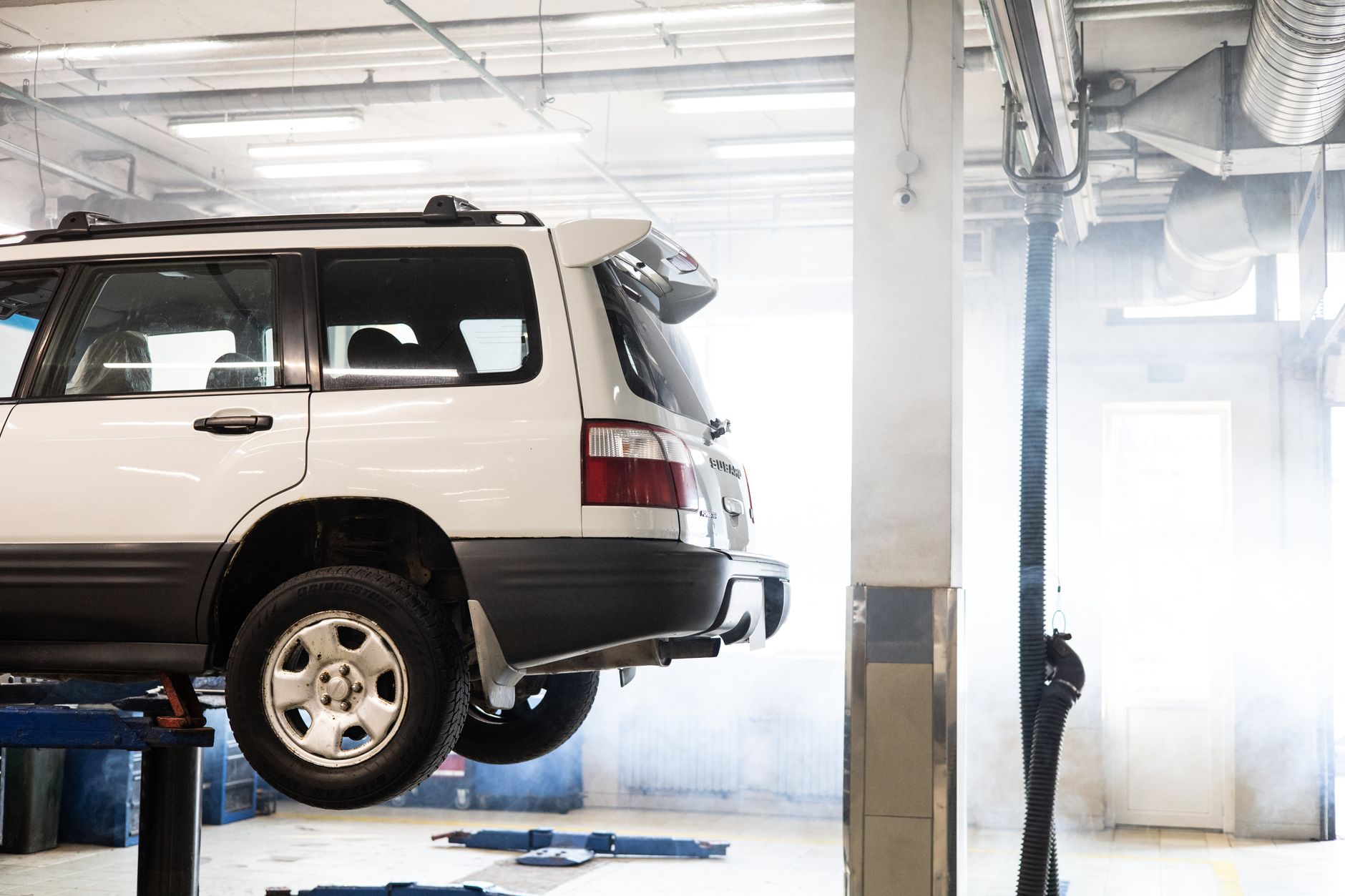
Riverside drivers have three broad options, and each has a different strength.
Dedicated transmission shops focus on one system all day, every day. They tend to have transmission-specific diagnostic software, a bench full of rebuild parts, and technicians who have seen the same failure patterns repeatedly on common makes. For anything beyond a fluid service — a rebuild, a torque converter replacement, or a full swap — this is usually the most cost-effective route.
General auto repair shops are the right starting point when you're not sure what's wrong, or when the car has other issues competing for attention (a transmission problem that showed up alongside a check-engine light for an unrelated sensor, for instance). A good general shop will either handle a routine fluid and filter service in-house or refer you to a transmission specialist once they've confirmed the diagnosis.
Dealers carry the advantage of factory-trained technicians and access to the exact transmission control software for your specific model, which matters most for vehicles still under a factory powertrain warranty. If your car is within that coverage window, a warranty claim through the dealer can make an independent repair bill moot. Once a vehicle is out of warranty, independents are frequently able to do the same rebuild work for less, since their hourly labor rates tend to run lower than dealer service departments.
Transmission Shops · Riverside, California
Transmission Shops · Riverside, California
A transmission diagnosis that's worth paying for includes more than plugging in a code reader. Ask what the shop's process covers before you authorize any work:
A shop that skips the road test or quotes a full rebuild before looking at the fluid is worth a second phone call elsewhere.
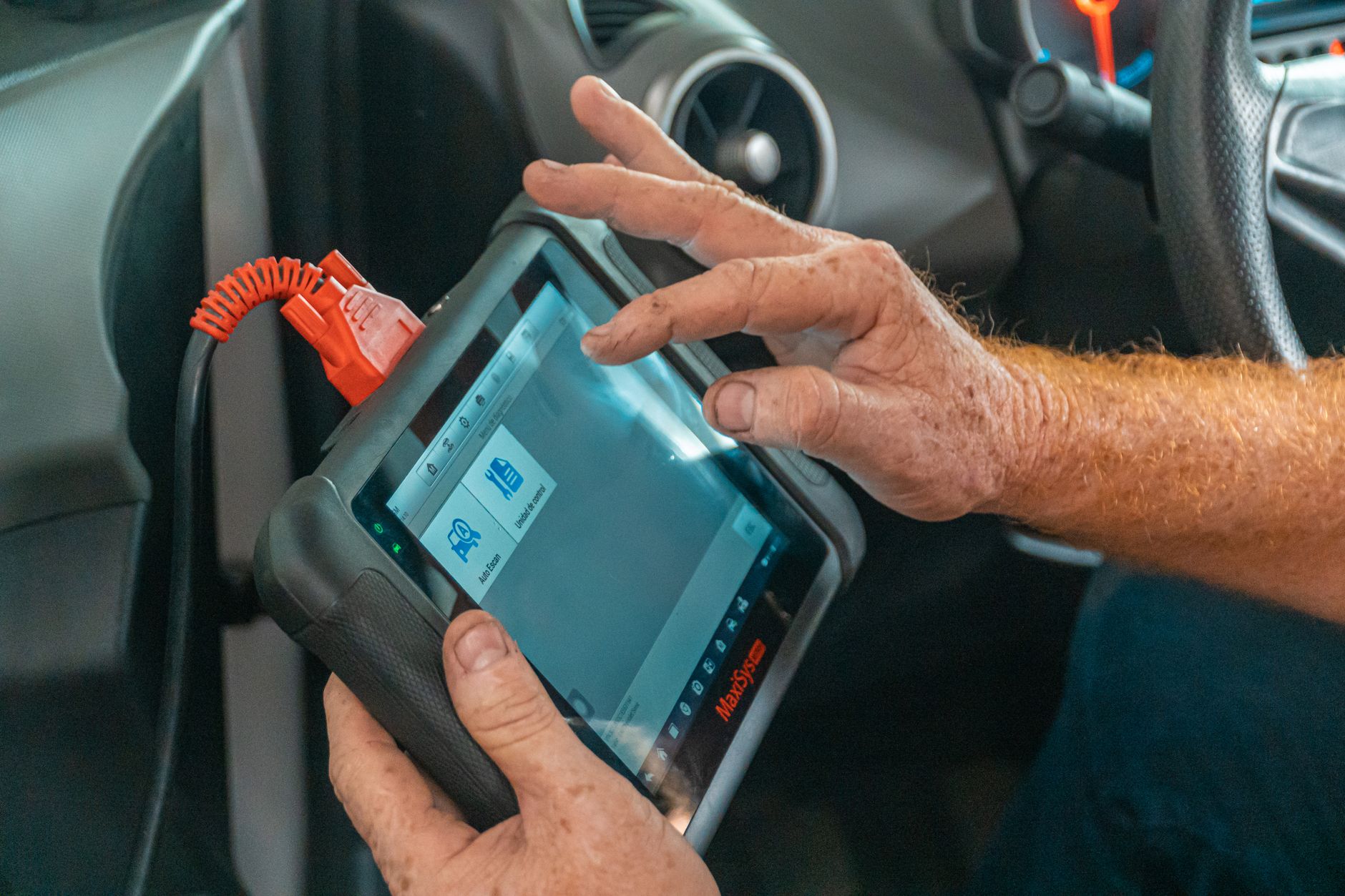
When a transmission needs more than a fluid service, shops typically offer a few different paths, and the terminology gets used loosely enough that it's worth asking for specifics.
| Option | What it means | Typical consideration |
|---|---|---|
| Rebuilt (in-shop) | Your existing transmission is removed, opened, and worn components are replaced | Keeps your original unit; quality depends heavily on the shop's own standards |
| Remanufactured | A unit is rebuilt to factory spec by a specialized remanufacturing facility, often with updated parts | Usually comes with a parts warranty from the remanufacturer separate from the shop's own labor warranty |
| Used / salvage | A working transmission pulled from another vehicle, usually with similar mileage | Lowest upfront cost, but no rebuild — you're buying the unit's remaining life as-is |
| New (OEM) | A brand-new unit from the manufacturer | Rare outside of dealers and usually reserved for vehicles still under warranty |
None of these is automatically "best" — a used transmission can be a reasonable stopgap on an older vehicle you plan to sell soon, while a remanufactured unit makes more sense on a car you intend to keep for years. Ask your shop which option they recommend for your specific vehicle and why, and ask what warranty (parts, labor, or both, and for how many miles) comes with each.
Transmission Shops · Riverside, California
Transmission Shops · Riverside, California
A few direct questions tend to separate a shop that will take care of you from one that won't:
Shops that answer these clearly and in writing are generally the ones that stand behind their work after you've paid and driven off.
Riverside's transmission and general repair shops cluster along a few corridors — Van Buren Boulevard, Mission Boulevard, and the Arlington Avenue stretch near the 91 freeway all carry a mix of dedicated transmission specialists and full-service garages. A few examples of the range available in the area:
Transmission Shops · Riverside, California
Transmission Shops · Riverside, California
For diesel trucks and larger vehicles, the diagnostic and rebuild process is similar but usually requires a shop set up for heavier-duty transmissions and drivetrains specifically:
Diesel Engine Repair · Riverside, California
If you're still narrowing down whether the issue is transmission-related at all, browsing the auto repair shops in Riverside or the transmission shops in Riverside category pages is a reasonable starting point, and the Riverside, California city page lists every category of shop in town if the problem turns out to be something else entirely — a brake issue masquerading as a drivetrain shudder is more common than it sounds.
A few patterns are worth treating as a reason to get a second opinion rather than sign off:
None of these automatically mean a shop is dishonest — some are simply busy or informal — but they're reasons to ask more questions or get a comparison estimate before committing to repair work that commonly runs into four figures.
Transmission failures are rarely purely bad luck — most are accelerated by a handful of avoidable habits. Fluid that's never been changed is the biggest one: automatic transmission fluid breaks down over time and high mileage, and by the time it smells burnt, it's already past the point of doing its job well. Towing or hauling beyond a vehicle's rated capacity puts extra heat and strain on the transmission, which is why trucks and SUVs used for towing in the Inland Empire's warmer months tend to see transmission wear sooner than those driven mostly for commuting. Ignoring an early symptom — a single hard shift, a brief slip that seems to resolve itself — is the other common thread; what looks like a one-time glitch is often the first sign of a seal or band starting to wear.
Riverside's climate adds its own wrinkle. Summer heat means transmission fluid runs hotter than it would in a milder climate, especially in stop-and-go traffic on the 91 or 215, and heat is the single biggest factor in how fast fluid breaks down. Drivers who tow trailers, boats, or equipment through the summer months benefit from shorter fluid service intervals than the owner's manual assumes for average driving, and an auxiliary transmission cooler is a reasonable upgrade for anyone towing regularly in the area.
None of this requires guessing at a schedule. Most manufacturers list a transmission fluid service interval in the owner's manual, and a shop can check whether a previous owner or dealer already handled it by looking at service records or, for some vehicles, a stamp in the fluid pan. When in doubt, asking a shop to check the fluid condition during a routine oil change is a low-cost way to catch a problem before it becomes an expensive one.
A transmission symptom that gets diagnosed early, by a shop that road-tests the car and checks the fluid before quoting anything, is far cheaper to fix than one that gets ignored until the car won't shift at all. Start with a general repair shop if you're unsure what's wrong, move to a dedicated transmission specialist once the diagnosis is confirmed, and always get the warranty terms and rebuild type (rebuilt, remanufactured, used, or new) in writing before you authorize the work. Check current rates directly with the shop, since pricing varies by vehicle and the extent of the repair.
19 Oct 2026 · 8 min read
A category-by-category look at where Santa Ana drivers go for repair, tires, brakes, transmissions, body work and glass in 2026.
santa ana california auto repair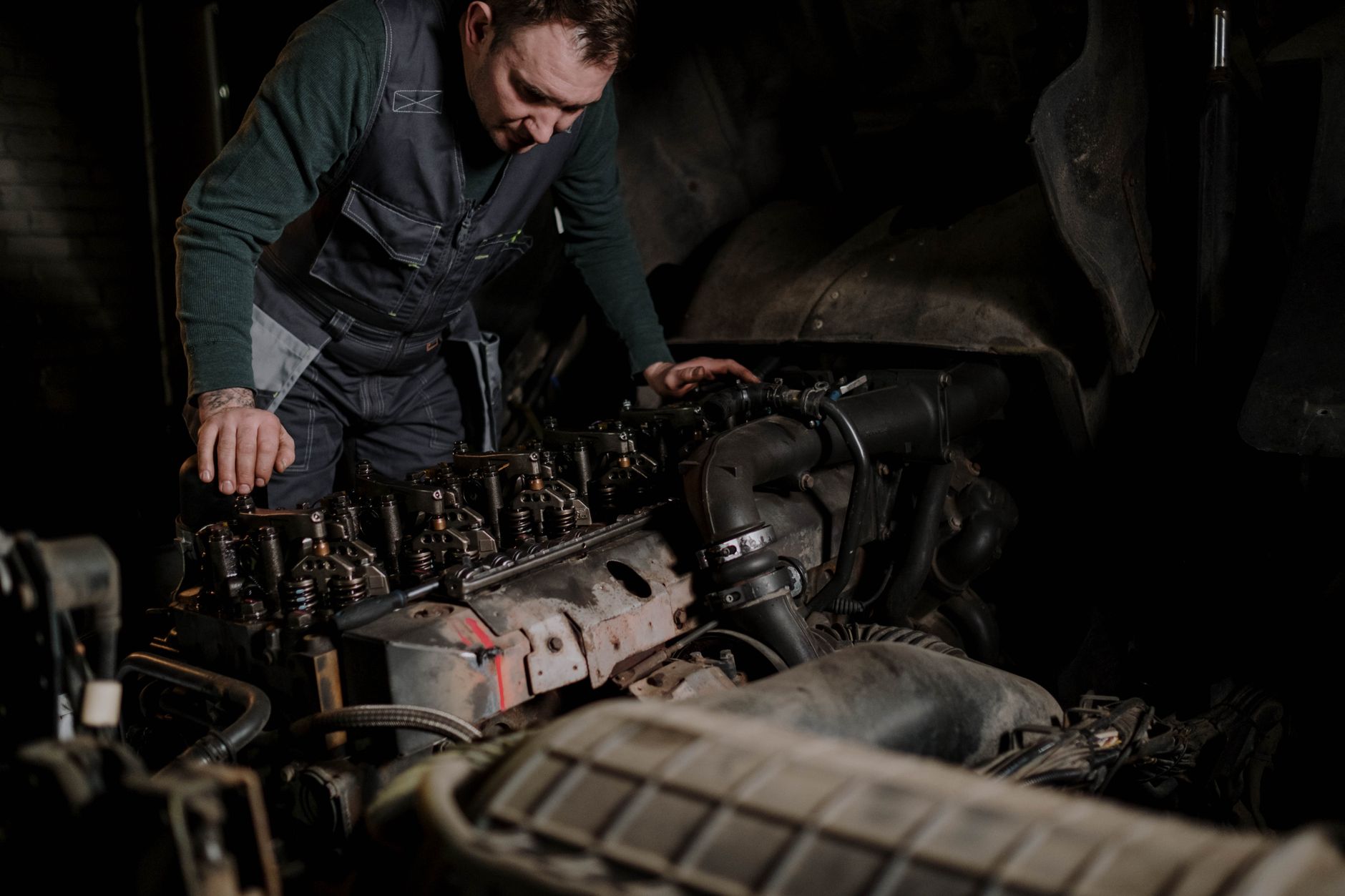
18 Oct 2026 · 7 min read
What sets diesel engine service apart in 2026, the problems Houston diesel owners run into most, and how to find a shop equipped to handle them.
houston texas diesel repair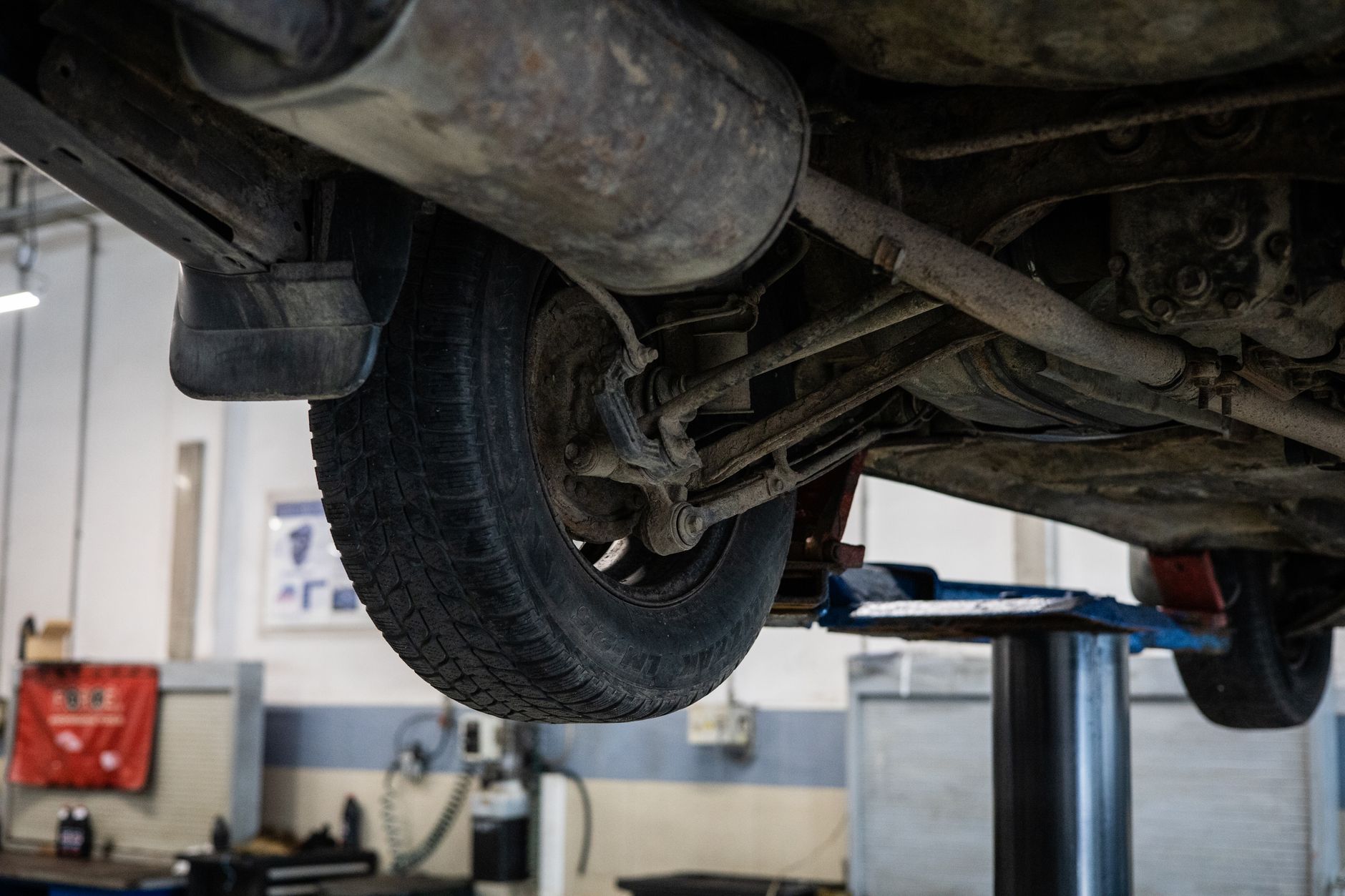
17 Oct 2026 · 8 min read
What pulling, uneven tire wear and an off-center steering wheel mean, and how Anaheim drivers can get an alignment checked and fixed.
anaheim california wheel alignment