


19 Oct 2026 · 8 min read
Getting Your Car Fixed in Santa Ana: A 2026 Neighborhood Guide
A category-by-category look at where Santa Ana drivers go for repair, tires, brakes, transmissions, body work and glass in 2026.
santa ana california auto repair23 September 2026 · 9 min read
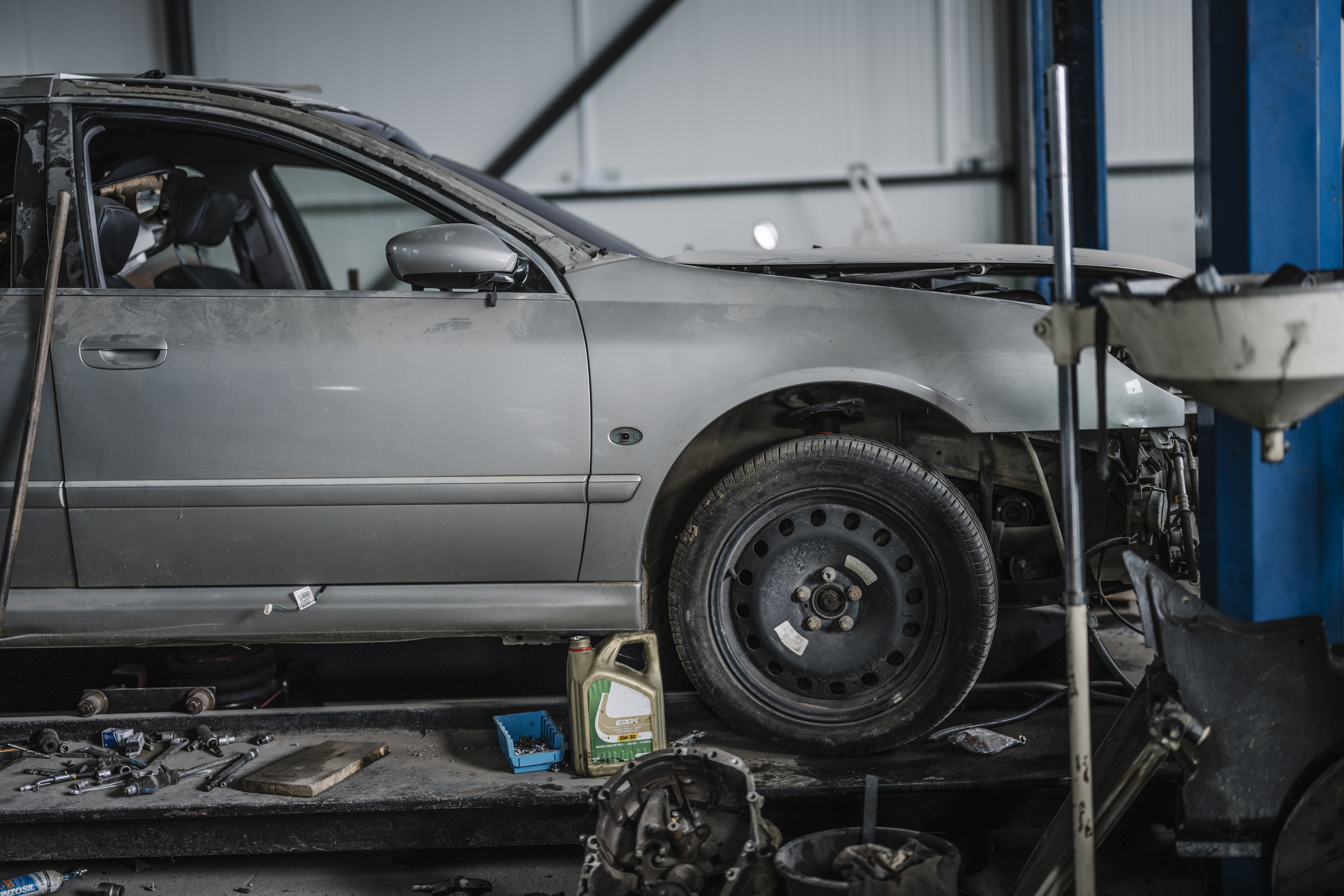
Every repair starts with a piece of paper — or a text message with a PDF attached — that lists parts, labor and a total. Most drivers glance at the bottom line, sign, and hope for the best. That single habit is why so many people leave a shop unsure whether they paid a fair price for a fair repair. Learning to actually read the estimate, line by line, is the fastest way to stop guessing.
This guide walks through what a proper auto repair estimate in Los Angeles should contain, what each line item means, and which patterns are worth a second look before you approve the work. It uses real, currently listed Los Angeles shops as examples of the kind of detail a trustworthy estimate reflects — not as endorsements of price, only as illustrations of the categories of work involved.
An estimate is not a formality. In California, a shop is generally required to give you a written estimate before starting work you haven't already authorized, and it can't legally exceed that estimate by more than a small percentage without contacting you first. That protection only works if you actually read what's in front of you.
A rushed, one-line estimate — "brake job: $450" — tells you almost nothing. A complete one tells you what's being replaced, why, and how the shop arrived at the number. If a shop can't or won't itemize a repair when you ask, that alone is useful information.
Auto Repair Shops · Los Angeles, California
General repair shops that handle a wide range of work, like the one above, typically build estimates around the same skeleton regardless of what's being fixed: parts, labor, and a handful of smaller add-ons. Once you recognize that skeleton, every estimate becomes easier to check.
At minimum, a proper estimate should separate:
If any of these are missing, or if parts and labor are lumped into one number, ask the service writer to break it out. A shop that itemizes cleanly usually also documents the work cleanly, which matters if something needs to be revisited under warranty.
The word "parts" on an estimate can mean four very different things, and the estimate should say which one applies:
None of these is automatically "right" — the right choice depends on the vehicle's age, how long you plan to keep it, and whether the part affects safety systems. What matters is that the estimate tells you which category you're paying for, since that's often where the biggest price swings on a repair come from.
Labor charges are usually based on published "book time" — an industry-standard number of hours a task is expected to take — rather than how long the technician actually spends on your car. A brake job might be billed at 1.5 hours of book time even if it takes the tech 45 minutes, and billed the same 1.5 hours even if it takes two.
This is standard practice, not padding, but it means labor hours on an estimate won't necessarily match a stopwatch. What you can check is the shop's hourly labor rate, which should be stated somewhere on the estimate or posted in the waiting area. Rates in the Los Angeles area vary by shop type and neighborhood, so comparing the rate — not just the total — is the more useful comparison between two estimates for the same job.
A diagnostic fee covers the technician's time to identify the problem, separate from the time to fix it. It's most common with electrical issues, a check-engine light, or an intermittent noise that isn't obvious on a lift. Many shops waive or credit the diagnostic fee toward the repair if you have the work done there — ask before you authorize the diagnosis, not after.
"Shop supplies," sometimes listed as a flat fee or a percentage of the labor total, cover consumables like shop rags, degreaser, and disposal of used fluids or tires. It's a legitimate charge in moderation; a shop supplies fee that rivals the labor total on a small job is worth questioning.
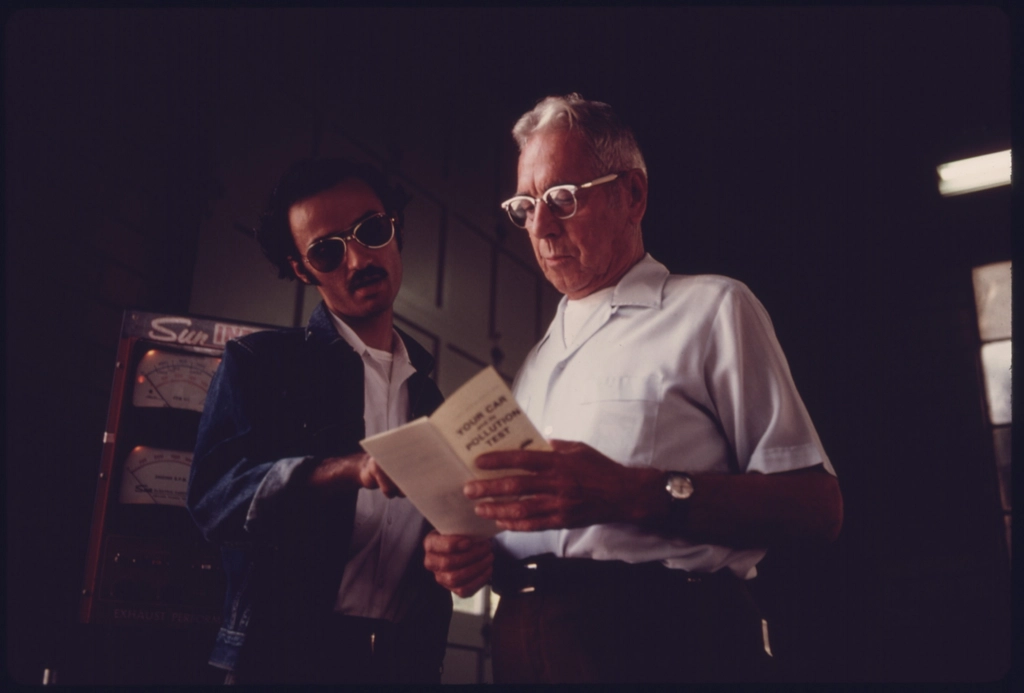
Different repairs generate different line items, and knowing what's normal for each type makes an unfamiliar estimate much easier to evaluate.
| Repair type | Typical line items on the estimate | What to ask about |
|---|---|---|
| Brakes | Pads/shoes, rotors or drums, hardware kit, brake fluid, labor per axle | Whether rotors are being resurfaced or replaced, and why |
| Transmission | Fluid and filter, or rebuild/replacement parts, core charge, diagnostic time | Whether it's a fluid service, a repair, or a full rebuild |
| Tires | Tire price per unit, mounting, balancing, valve stems, disposal fee | Load and speed rating match to your vehicle |
| Auto glass | Glass unit, urethane/adhesive, molding clips, calibration (on newer cars) | Whether ADAS camera recalibration is included |
| Exhaust | Pipe sections, muffler or catalytic converter, clamps/hangers, labor | Whether it's a patch, a section replacement, or a full system |
| Oil change | Oil by viscosity and quantity, filter, disposal fee | Conventional, synthetic blend, or full synthetic |
Transmission work is a good example of a repair type where the word on the estimate matters enormously. "Transmission fluid service" and "transmission rebuild" can appear on the same shop's price list but describe completely different jobs.
Transmission Shops · Los Angeles, California
Tire estimates are usually the most transparent, since the per-tire price is easy to compare shop to shop, but the mounting, balancing and disposal fees can add up and are worth checking as a total, not per line.
Tire Shops · Los Angeles, California
Glass estimates on newer vehicles increasingly include a calibration step for the forward-facing camera mounted near the windshield. If your car has lane-keeping or automatic braking features, ask whether recalibration is included in the price or billed separately.
Auto Glass Repair & Replacement · Los Angeles, California
Exhaust work ranges from a $30 clamp to a full system, so an estimate that just says "exhaust repair" without specifying which sections are being replaced is one worth asking to clarify.
Muffler & Exhaust Shops · Los Angeles, California
Oil changes are simple enough that most shops offer flat pricing, but the estimate should still specify oil weight and quantity — using the wrong viscosity isn't dangerous in the short term, but it's not what your owner's manual calls for either.
Oil Change Services · Los Angeles, California
A few patterns are worth pausing on before you sign:
None of these automatically means a shop is dishonest — sometimes a lump-sum quote is just how a particular shop does business — but each is worth a direct question before you say yes.
A second opinion is most useful for big-ticket repairs (transmission, engine, suspension) or anything you weren't expecting, and least useful for routine maintenance where the first shop's price is already competitive. If you do get a second estimate, bring the first one with you and ask the second shop to explain any difference in scope, not just price — sometimes a lower number means a smaller repair, not a better deal.
Auto Repair Shops · Los Angeles, California
Independent, single-location shops and specialty shops that focus on one system (brakes, transmissions, glass) often have more time to walk through an estimate line by line than a high-volume general shop, simply because their intake process is built around one type of repair. That's not a knock on general shops — it's just a difference worth knowing about when you're deciding where to get a second look.
You can browse Los Angeles auto repair shops by category, including general auto repair shops, tire shops, transmission shops, auto glass shops, muffler and exhaust shops, and oil change services, or see the full Los Angeles directory to compare options near a specific neighborhood.
Before you approve any repair over a minor fluid top-off, the estimate in front of you should let you answer these questions without having to ask:
A good estimate isn't necessarily the cheapest one — it's the one you can actually read and verify against the work performed. Itemized parts, labor hours tied to a stated rate, and a clear warranty are the three things worth checking on every repair, whether it's a $40 oil change or a $4,000 transmission job. Shops that provide that level of detail as a matter of course, several of which are listed above, make it easier to catch a mistake or a misunderstanding before it becomes a dispute — and easier to compare, apples to apples, if you ever want a second opinion.
19 Oct 2026 · 8 min read
A category-by-category look at where Santa Ana drivers go for repair, tires, brakes, transmissions, body work and glass in 2026.
santa ana california auto repair
18 Oct 2026 · 7 min read
What sets diesel engine service apart in 2026, the problems Houston diesel owners run into most, and how to find a shop equipped to handle them.
houston texas diesel repair
17 Oct 2026 · 8 min read
What pulling, uneven tire wear and an off-center steering wheel mean, and how Anaheim drivers can get an alignment checked and fixed.
anaheim california wheel alignment