




19 Oct 2026 · 8 min read
Getting Your Car Fixed in Santa Ana: A 2026 Neighborhood Guide
A category-by-category look at where Santa Ana drivers go for repair, tires, brakes, transmissions, body work and glass in 2026.
santa ana california auto repair27 September 2026 · 8 min read
Brakes rarely fail without warning. Long before a pedal goes soft or a rotor scores itself into a warped disc, a car usually tells you something is wrong — a squeal in a parking lot, a faint pull to one side under braking, a vibration through the pedal on a downhill grade. The trouble is that most of those signals are easy to explain away, especially on a car that otherwise runs fine. This guide walks through what those signs actually mean, what a real inspection checks, and how to find a shop that will tell you the truth about what your brakes need in 2026.
Brake pads are designed to complain before they fail. Most pads have a small metal wear indicator that contacts the rotor once the friction material gets thin, producing a high-pitched squeal that shows up even with light pedal pressure. That sound is not damage in progress — it is the system doing exactly what it was built to do. Ignore it long enough and the squeal turns into a grinding noise, which usually means the pad's backing plate is now riding directly on the rotor, a much more expensive problem.
Beyond noise, watch for a pedal that feels softer than it used to, a car that pulls to one side when you brake, a pulsing or vibration through the pedal at highway speed, or a dashboard brake warning light. A soft pedal often points to air in the brake lines or a fluid leak. Pulling to one side can mean a stuck caliper or uneven pad wear. Pulsation is the classic sign of a warped rotor. None of these are things to schedule around — they're reasons to get the car looked at within a few days, not a few months.
A thorough brake inspection goes beyond glancing at pad thickness through the wheel spokes. A shop doing the job right will pull at least one wheel, measure remaining pad material with a gauge, inspect the rotor surface for scoring, grooves, or a lip at the outer edge, and check caliper pins and slides for the free movement that lets a caliper release fully after each stop. They should also look at brake lines and hoses for cracking or leaks, check fluid condition and level, and road test the car if a symptom like pulling or pulsing was reported.
If a shop only tells you a number — "you need brakes" — without walking you through pad measurements or rotor condition, ask them to show you. A worn pad, a scored rotor, or a caliper that doesn't slide freely are all things you can see for yourself once someone points them out.
Not every symptom means new pads. The table below is a general guide to what a given symptom usually points to — a shop still needs to confirm it by measuring the actual parts, since driving habits, climate, and mileage all affect wear differently from car to car.
| Symptom | Most likely cause | Typical response |
|---|---|---|
| High-pitched squeal, light braking | Pad wear indicator contacting rotor | Pad replacement before it worsens |
| Grinding or metal-on-metal sound | Pad fully worn, backing plate on rotor | Pads and likely rotor replacement or resurfacing |
| Pulsing or vibration in the pedal | Warped or uneven rotor | Rotor resurfacing or replacement |
| Car pulls to one side when braking | Stuck caliper or uneven pad wear | Caliper service, pad replacement |
| Soft or spongy pedal | Air in lines or fluid leak | Brake fluid flush, leak repair |
| Dashboard brake warning light | Low fluid, worn pads, or system fault | Diagnostic check |
Rotors don't always need replacing when pads do. Many shops can resurface a rotor that's still within its minimum thickness spec, which is one of the questions worth asking before you approve a repair (more on that below).
There's no single mileage number that applies to every car, but pads generally wear out somewhere in a wide range depending on driving style, vehicle weight, and terrain. City stop-and-go driving wears pads faster than highway commuting. Frequent heavy loads, aggressive braking, and mountain or hill driving all shorten pad life. A car driven mostly on flat highway miles with a light foot on the brake can go considerably longer between replacements than one doing daily stop-and-go traffic. Rather than tracking a fixed interval, it's more useful to have pads checked at every oil change or tire rotation, since most shops will pull a wheel or check through the spokes as part of that service anyway.
You don't need a lift to get a rough read on brake condition. With the car parked and cool, look through the wheel spokes at the pad pressed against the rotor — if the friction material looks thinner than a quarter-inch, it's worth having it measured properly. Check the rotor surface for visible grooves or a built-up lip at the outer edge, which can indicate the pad has been riding unevenly. Listen for any noise the first time you brake after the car has sat overnight, since a light surface rust squeal that clears up after a stop or two is normal, but a persistent metallic sound is not. And on an empty street at low speed, brake gently and note whether the car pulls to either side.
None of this replaces a real inspection, but it can help you decide whether a noise is worth an appointment this week or something to mention at your next scheduled service.
Pads and rotors get most of the attention, but brake fluid does the actual work of transmitting pedal pressure to each wheel, and it degrades over time whether or not the car is driven hard. Brake fluid is hygroscopic, meaning it slowly absorbs moisture from the air through microscopic amounts of permeation in rubber hoses and seals. That moisture lowers the fluid's boiling point, which matters most during hard or repeated braking — like a long downhill grade — when fluid temperature climbs and a lower boiling point can lead to a spongy or fading pedal right when you need it most. Moisture in the fluid can also contribute to corrosion inside calipers and the brake lines over the life of the vehicle.
Most vehicle manufacturers specify a fluid change interval in the owner's manual, separate from pad replacement. If your shop mentions the fluid looks dark or hasn't been flushed in several years, it's worth treating that as a legitimate maintenance item rather than an upsell, especially before a Sierra or coastal mountain drive where sustained braking is more demanding on the system.
California has brake specialists and general repair shops that handle brake work in nearly every city in the directory, from small independent brake-and-alignment shops to shops that also handle mufflers, alignment, and general repair alongside brakes. Here are a few listed on Local Auto Repairs, spread across different parts of the state:
Brake Shops · Modesto, California
Brake Shops · San Bernardino, California
Brake Shops · Anaheim, California
Brake Shops · San Jose, California
Brake Shops · Oakland, California
Brake Shops · Bakersfield, California
Brake Shops · Fontana, California
You can browse more brake shops by city on the directory's brake shops in California category page, or see everything listed for a specific city, such as Modesto, San Bernardino, Anaheim, or Oakland.
For most routine brake jobs — pad replacement, rotor resurfacing, caliper service — an independent brake shop or general repair shop is a perfectly reasonable choice, and often faster to get an appointment with than a dealership service department. Independent shops that specialize in brakes typically see a higher volume of that specific work, which can mean quicker diagnosis of less common symptoms like a caliper that's binding intermittently rather than staying stuck.
Where a dealer visit makes more sense is when brake work falls under an active manufacturer warranty, or when a car uses a less common electronic parking brake or brake-by-wire system that the dealer's equipment is set up to service directly. Some hybrid and EV models also blend regenerative braking with the friction brakes in ways that call for software recalibration after certain repairs, which is more consistently available at a dealer or a shop that specifically advertises hybrid and EV service. If you're weighing that decision more broadly, our earlier piece on independent shop vs. dealer service covers the tradeoffs in more depth.
A few questions can save you from paying for more than you need, or from a repair that skips a step it shouldn't:
A shop willing to walk through these answers, ideally while showing you the actual parts, is generally one worth returning to for other work.
Brake problems very rarely appear out of nowhere — squealing, grinding, pulling, pulsing, and a soft pedal are the system's way of telling you what's wrong before it becomes a safety issue or a bigger repair bill. Get any of those symptoms checked within days, not months, and ask your shop to show you the actual pad and rotor measurements rather than taking a verbal estimate at face value. Whether you use a dedicated brake specialist or a general repair shop that handles brakes alongside everything else, a shop that explains what it found — and what it's replacing versus resurfacing — is the one to keep using.
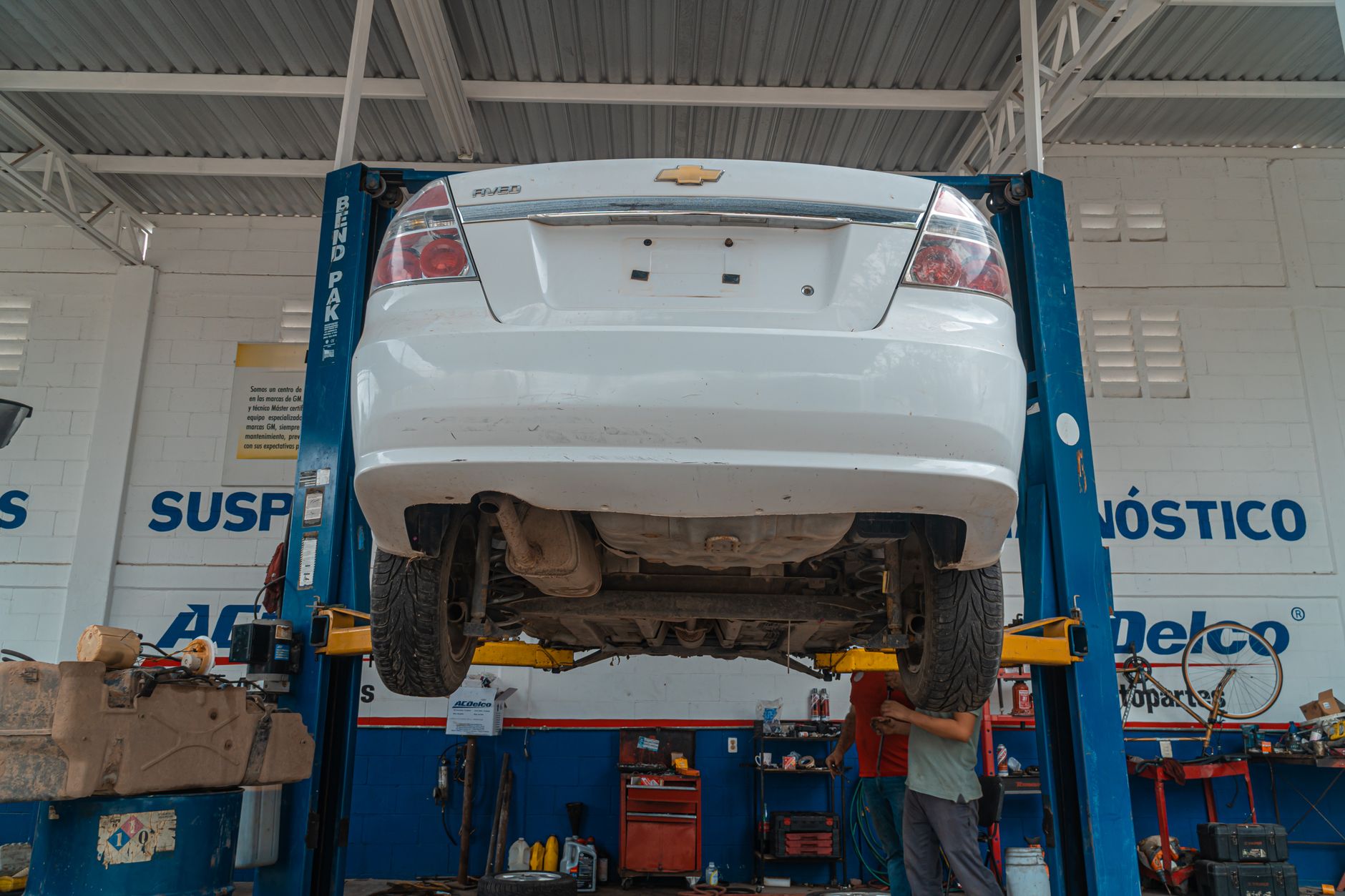
19 Oct 2026 · 8 min read
A category-by-category look at where Santa Ana drivers go for repair, tires, brakes, transmissions, body work and glass in 2026.
santa ana california auto repair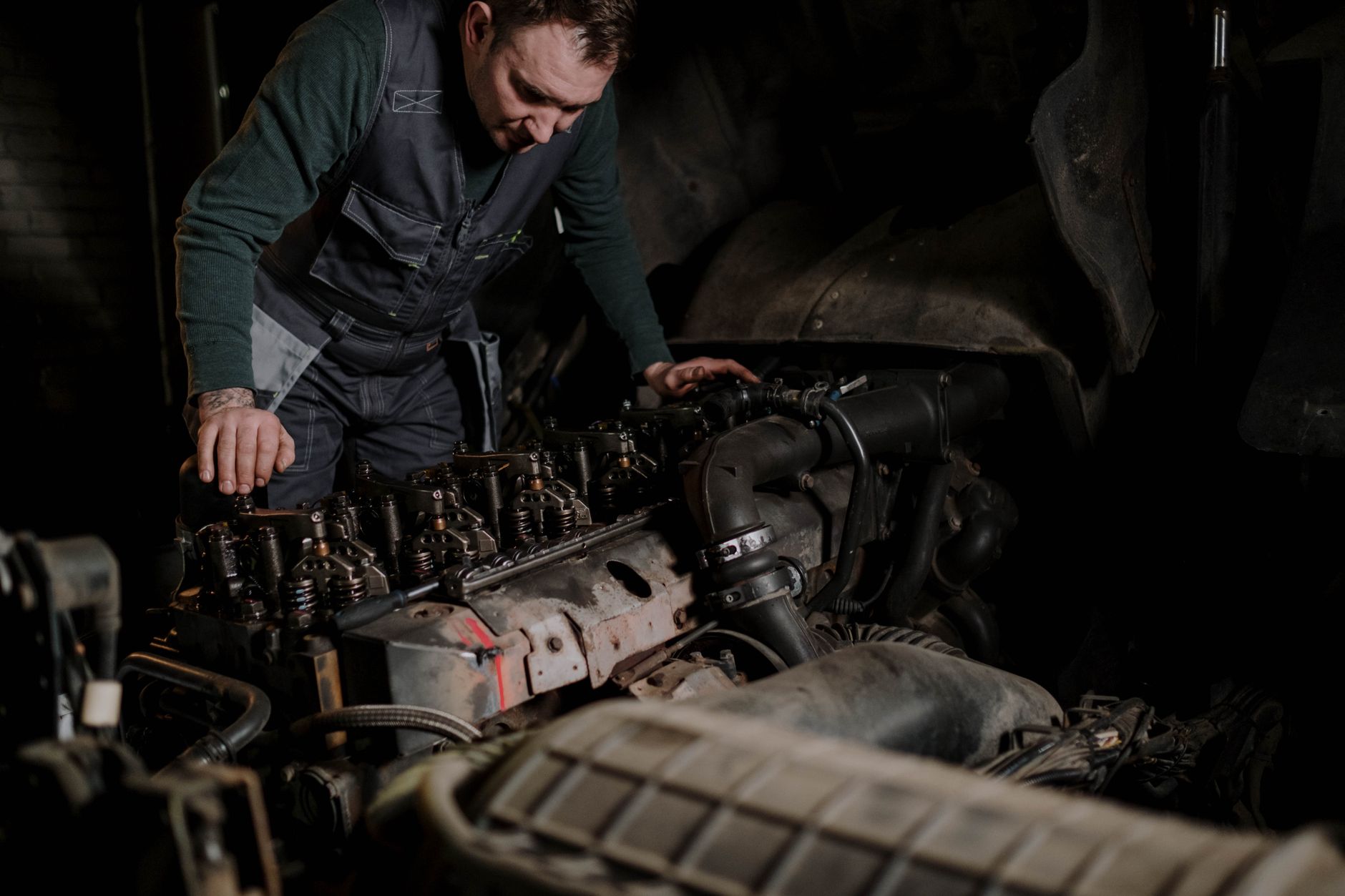
18 Oct 2026 · 7 min read
What sets diesel engine service apart in 2026, the problems Houston diesel owners run into most, and how to find a shop equipped to handle them.
houston texas diesel repair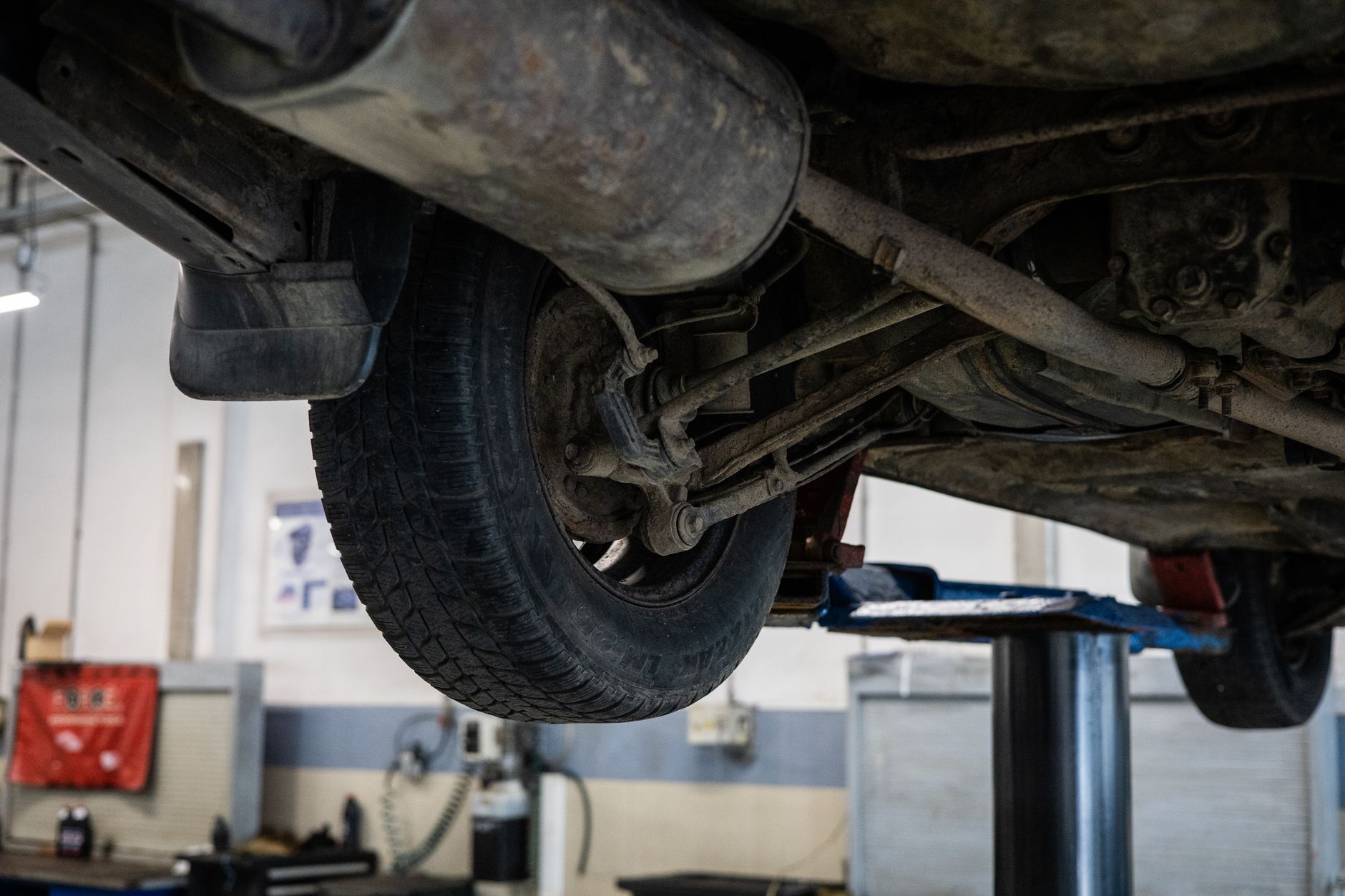
17 Oct 2026 · 8 min read
What pulling, uneven tire wear and an off-center steering wheel mean, and how Anaheim drivers can get an alignment checked and fixed.
anaheim california wheel alignment