


19 Oct 2026 · 8 min read
Getting Your Car Fixed in Santa Ana: A 2026 Neighborhood Guide
A category-by-category look at where Santa Ana drivers go for repair, tires, brakes, transmissions, body work and glass in 2026.
santa ana california auto repair14 October 2026 · 9 min read
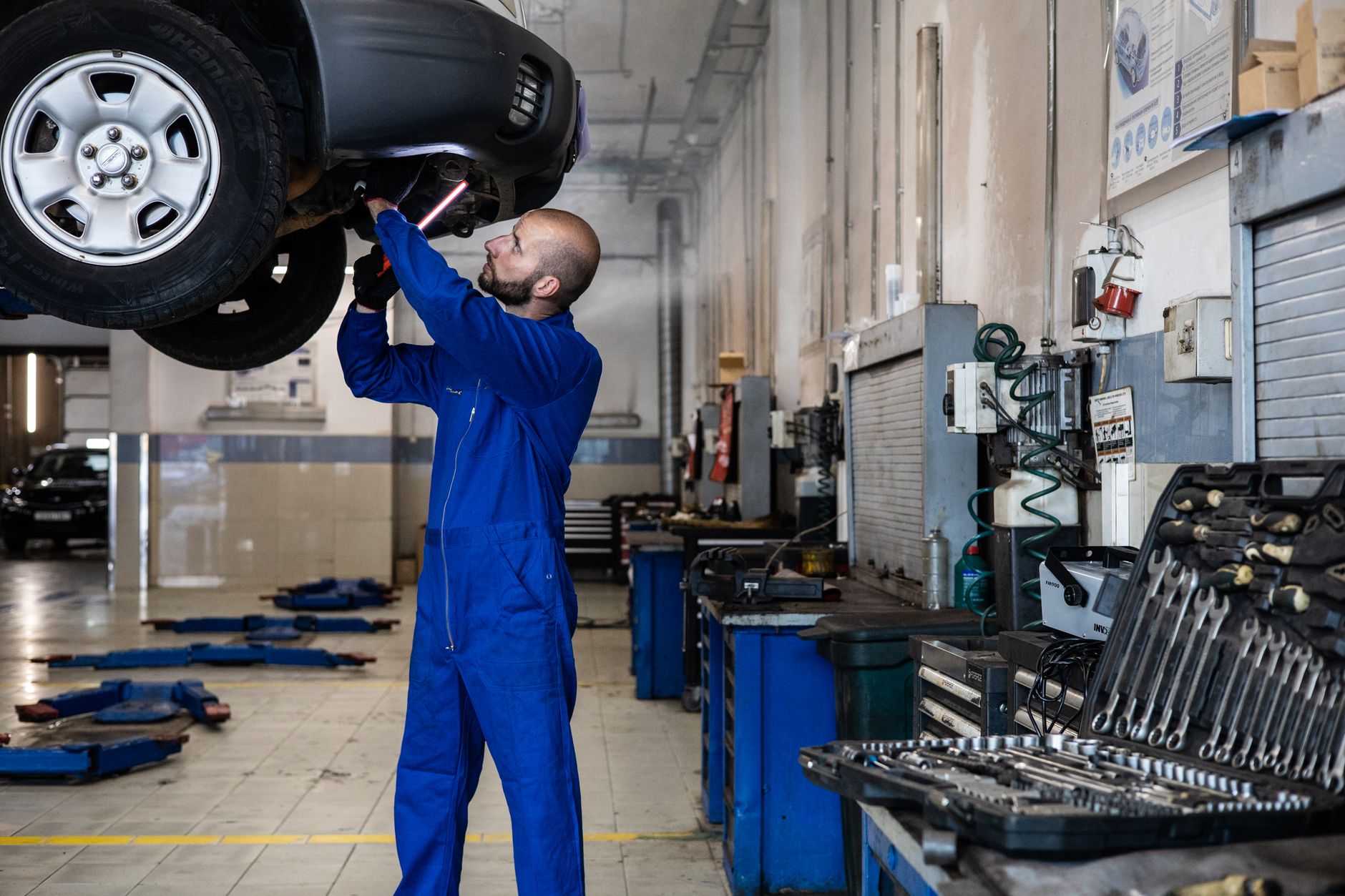
Pennsylvania is one of the minority of states that still requires most vehicles to pass a hands-on inspection every year, not just a sensor check or an online renewal. For drivers who grew up somewhere else, or who just bought their first car, the process can be confusing: there are two separate programs (safety and emissions), they don't apply to every county the same way, and the station that inspects your car is usually the same repair garage down the street, not a government office. Here's what's actually required, where it happens, and what to do if your car doesn't pass.
Pennsylvania's annual vehicle safety inspection exists, in the state's own words, so that vehicles on the road "are maintained for safe operation." It applies to registered passenger cars, trucks, motorcycles, and most other vehicles operated on Pennsylvania roads. The inspection is renewed on a schedule tied to your vehicle's registration rather than the calendar year, which is why you'll see inspection stickers dated for different months across different cars.
The inspection itself is a physical, hands-on check: a certified mechanic at a licensed station puts the vehicle through a defined set of safety items rather than reading a diagnostic code off a computer. That distinction matters because it's also why the inspection has to happen at a station with a lift, trained inspectors, and the right equipment, not at a drive-through kiosk.
New residents who move to Pennsylvania from a state without annual inspections are often the most surprised by the program, since they're used to registering a car online without anyone physically looking at the brakes or tires. If you've just titled a car in Pennsylvania, plan on getting it inspected soon after, since an expired or missing inspection sticker is something a police officer can flag during an ordinary traffic stop, separate from any registration issue.
Safety inspections in Pennsylvania are performed at official PennDOT-licensed inspection stations. In practice, that almost always means a regular repair garage or service station that has applied for and holds an inspection license alongside its repair business, not a dedicated inspection-only facility. That's part of why the process tends to be more convenient than in states with separate testing centers: the same shop that inspects your car can usually also perform any repair the inspection turns up, in the same visit.
Smog Check & Vehicle Inspection · Philadelphia, Pennsylvania
In Philadelphia, shops like the one above combine general repair work with state inspection licensing, which is the typical setup across the state. If you're searching for a station, look for one that explicitly advertises "PA state inspection" rather than assuming every repair shop offers it, since the inspection license is separate from a general repair business license.
Smog Check & Vehicle Inspection · Philadelphia, Pennsylvania
Some shops, like the one above, spell out in their own name that they handle both the safety and the emissions side, which saves a phone call if you're not sure what your vehicle needs. Because the license is tied to the individual station rather than a chain brand, it's worth confirming directly with whichever shop you plan to use, even if you've been a regular customer there for other repairs, rather than assuming inspection service was always part of what they offer.
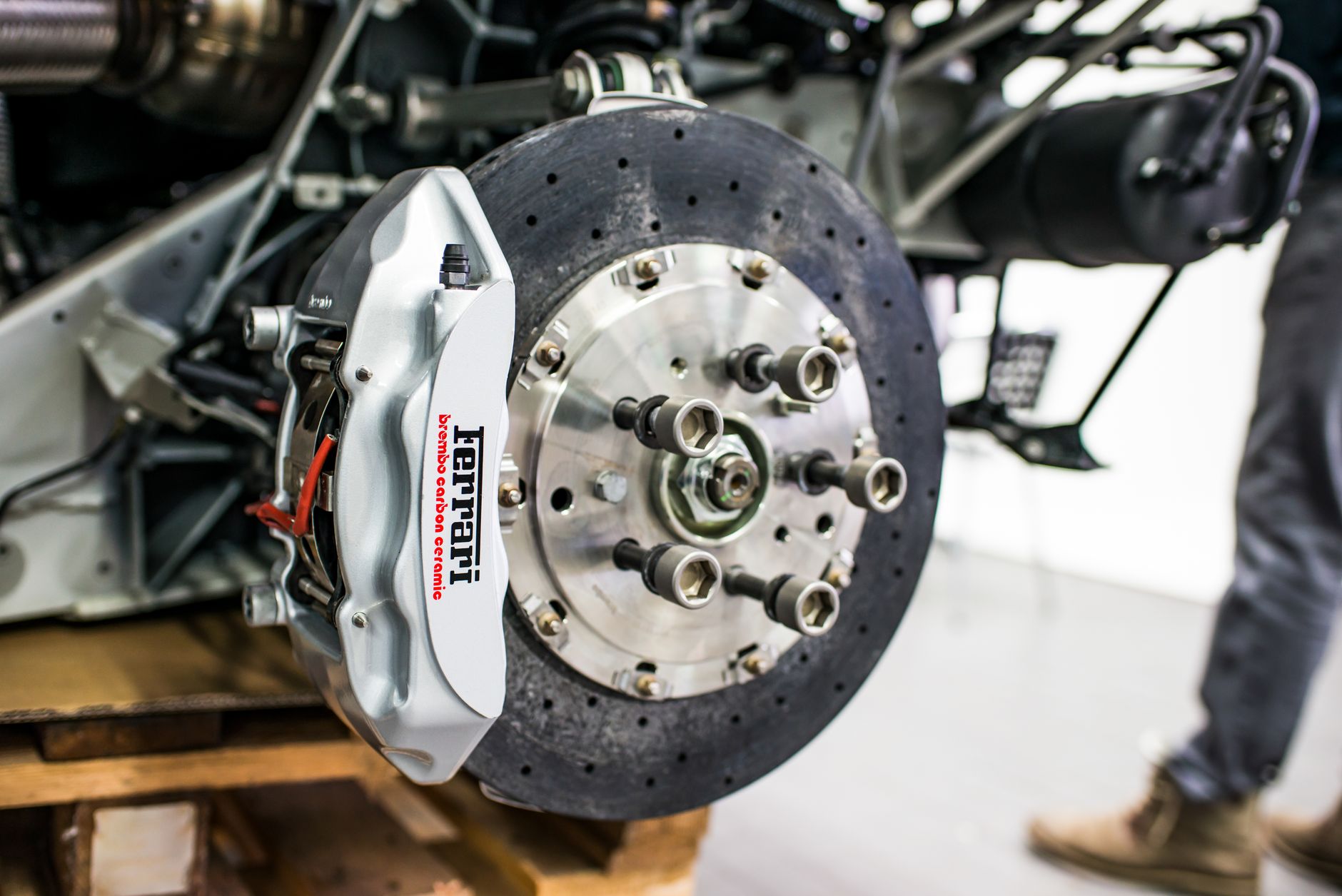
The safety inspection is built around items that affect whether the car is safe to drive and safe for other road users, rather than cosmetic condition. Based on what inspection stations list for the program, the categories a mechanic works through generally include:
Exact checklists and current fees are posted at each individual station, since PennDOT sets the inspection standard but stations set their own fee within posted limits, and the inspection fee does not cover the cost of fixing anything that fails. If a vehicle fails on a specific item, most stations will quote the repair separately before doing the work, so you can decide whether to fix it there or get a second opinion.
It helps to do a quick visual check yourself before you drop the car off: look at tread depth across all four tires, check that every exterior bulb lights up including the license plate light, and glance at the windshield for cracks that sit in the driver's direct line of sight. None of this replaces the formal inspection, but catching an obvious bulb failure yourself ahead of time can mean a pass on the first visit instead of a trip back after a quick fix.
Smog Check & Vehicle Inspection · Pittsburgh, Pennsylvania
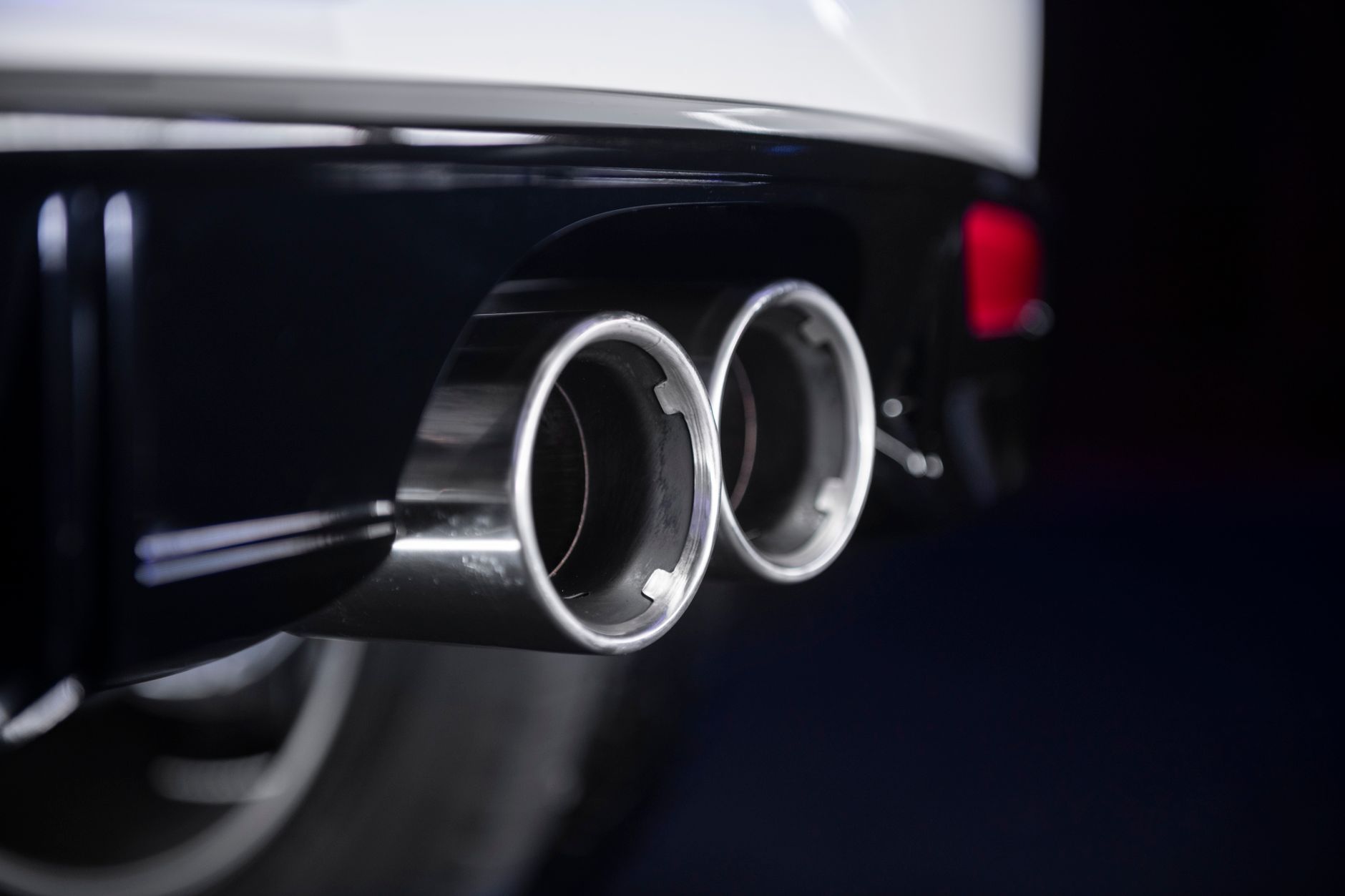
Emissions inspection is a separate program from the safety inspection, run as part of Pennsylvania's air-quality planning rather than a general roadworthiness check. It is not statewide — it applies in specific counties, generally concentrated around the state's largest metro areas, and the rules and testing method can differ by county and by how new or old the vehicle is. Some vehicles, including some newer electric and hybrid models, qualify for simplified testing or exemptions depending on their powertrain.
Because the county list and testing method can change and vary by local air-quality designation, the most reliable way to confirm whether your specific county and vehicle need an emissions test — and which test method applies — is to ask your inspection station directly or check PennDOT's current publications (Pub 45 for safety and equipment standards, Pub 763 for emissions rules). A shop that performs both safety and emissions inspections, like many general repair garages across the state, can usually tell you in a few minutes whether your car is subject to emissions testing at all.
This is also where moving within the state can catch people off guard. A car that never needed an emissions test in a rural county can suddenly need one after you move to a metro area, even though nothing about the vehicle changed. If you've recently relocated, mentioning your new address when you book an inspection appointment is worth doing, since the station will know what applies to your registration.
Smog Check & Vehicle Inspection · Erie, Pennsylvania
Not every inspection station can legally inspect every type of vehicle. Pennsylvania has a separate category called Enhanced Vehicle Safety Inspection Stations, which hold an additional contract with PennDOT specifically to inspect reconstructed vehicles, flood vehicles, specially constructed vehicles, recovered theft vehicles, collectible vehicles, modified vehicles, and street rods for titling purposes. If you've just bought a rebuilt title car, salvage vehicle, or a heavily modified build, a standard inspection station may not be able to complete your paperwork — you'll need to find one of these enhanced stations specifically.
This is worth checking before you drive somewhere expecting a routine inspection. Calling ahead and asking whether a shop holds enhanced inspection status takes a minute and can save a wasted trip, especially if you're on a deadline to title a car you just bought at auction or imported from another state.
Collectible and classic car owners run into this category often, since a car registered under a historic or collector designation may have different inspection timing than a daily driver. If you're restoring an older vehicle and plan to title and register it for road use, ask the enhanced station early in the process rather than after the bodywork and mechanical restoration are finished, since they can tell you what documentation they'll need to see alongside the physical inspection.
A failed safety or emissions inspection isn't a ticket — it's a diagnosis. The station will typically give you a written list of what failed and why, along with a repair quote. Pennsylvania allows a limited window to get failed items repaired and reinspected rather than requiring you to start the entire inspection over, though the exact rules depend on the station and what failed. Common, lower-cost failure points tend to be worn brake pads, bald tires, a burned-out bulb, or wiper blades — items that are quick to fix and don't necessarily mean anything structural is wrong with the car.
Smog Check & Vehicle Inspection · Allentown, Pennsylvania
The more useful question to ask a shop isn't just "did it pass," but "what's close to failing next time." A good inspection mechanic will flag brake pads at 20% remaining or a tire approaching minimum tread even if it technically passes this cycle, which can help you budget for the next round of maintenance instead of being surprised by it.
If you disagree with a failure, you're generally not stuck with just one shop's opinion. Nothing stops you from getting a second inspection at a different licensed station if you think the first assessment was wrong, though you'll likely pay for a second inspection fee to do it. For an expensive repair item, like a full exhaust system or multiple suspension components, a second opinion is a reasonable step before authorizing the work, the same way it would be for any other large repair estimate.
Inspection stations are common enough that most drivers have one within a short drive, but the mix of general repair shops versus dedicated quick-service stations varies by city. Here's a rough comparison of what to expect in a few of the state's larger metro areas:
| Metro area | Typical station type | Good to know |
|---|---|---|
| Philadelphia | General repair garages with inspection licensing | Large number of options; ask if emissions testing is included |
| Pittsburgh | Independent repair shops, some dedicated inspection bays | Many shops combine inspection with routine maintenance |
| Allentown / Lehigh Valley | Mix of family-owned garages and chain service centers | Appointment wait times can run longer near registration renewal months |
| Erie | Independent garages, some dedicated inspection stations | Fewer chain options; local garages often double as the inspection station |
| Harrisburg | General repair shops, detail-and-service combos | Central location makes it easy to combine inspection with other maintenance |
Smog Check & Vehicle Inspection · Harrisburg, Pennsylvania
Smog Check & Vehicle Inspection · Lancaster, Pennsylvania
Whichever city you're in, the directory's Pennsylvania inspection and vehicle service listings and city pages for Philadelphia, Pittsburgh, Allentown, Erie, Harrisburg, and Lancaster list current repair and inspection options with hours, phone numbers, and customer ratings, so you can compare before you book.
A few practical habits make the annual visit easier regardless of which city you're in. Book your appointment a week or two before your sticker expires rather than the day it runs out, since a backed-up shop near a registration deadline rush can mean a wait of several days for an opening. Bring your registration and proof of insurance even though the inspection itself doesn't require paperwork beyond the vehicle, since many shops check it as a courtesy and it saves a second trip if your insurance card turns out to be expired. And if a shop tells you a repair is required to pass, ask to see the specific component — a worn brake pad or a cracked windshield in your line of sight is easy to show and confirm on the spot, which builds trust in the shop for future visits.
Pennsylvania's inspection system is built around the repair shops that are already part of the state's auto care network, which is both its convenience and its wrinkle: the same visit that inspects your car can usually fix what it finds, but it also means coverage and fees vary by shop rather than being set by a single testing authority. Confirm your county's emissions status and your vehicle's specific requirements with a licensed station or PennDOT's current publications before your sticker expires, call ahead if your vehicle is modified, rebuilt, or salvage-titled, and treat a failed item as useful information about what's wearing out rather than just a bill to pay. A few minutes of checking ahead of time beats finding out at the counter that your usual shop can't do the job.
19 Oct 2026 · 8 min read
A category-by-category look at where Santa Ana drivers go for repair, tires, brakes, transmissions, body work and glass in 2026.
santa ana california auto repair
18 Oct 2026 · 7 min read
What sets diesel engine service apart in 2026, the problems Houston diesel owners run into most, and how to find a shop equipped to handle them.
houston texas diesel repair
17 Oct 2026 · 8 min read
What pulling, uneven tire wear and an off-center steering wheel mean, and how Anaheim drivers can get an alignment checked and fixed.
anaheim california wheel alignment