


19 Oct 2026 · 8 min read
Getting Your Car Fixed in Santa Ana: A 2026 Neighborhood Guide
A category-by-category look at where Santa Ana drivers go for repair, tires, brakes, transmissions, body work and glass in 2026.
santa ana california auto repair12 October 2026 · 8 min read
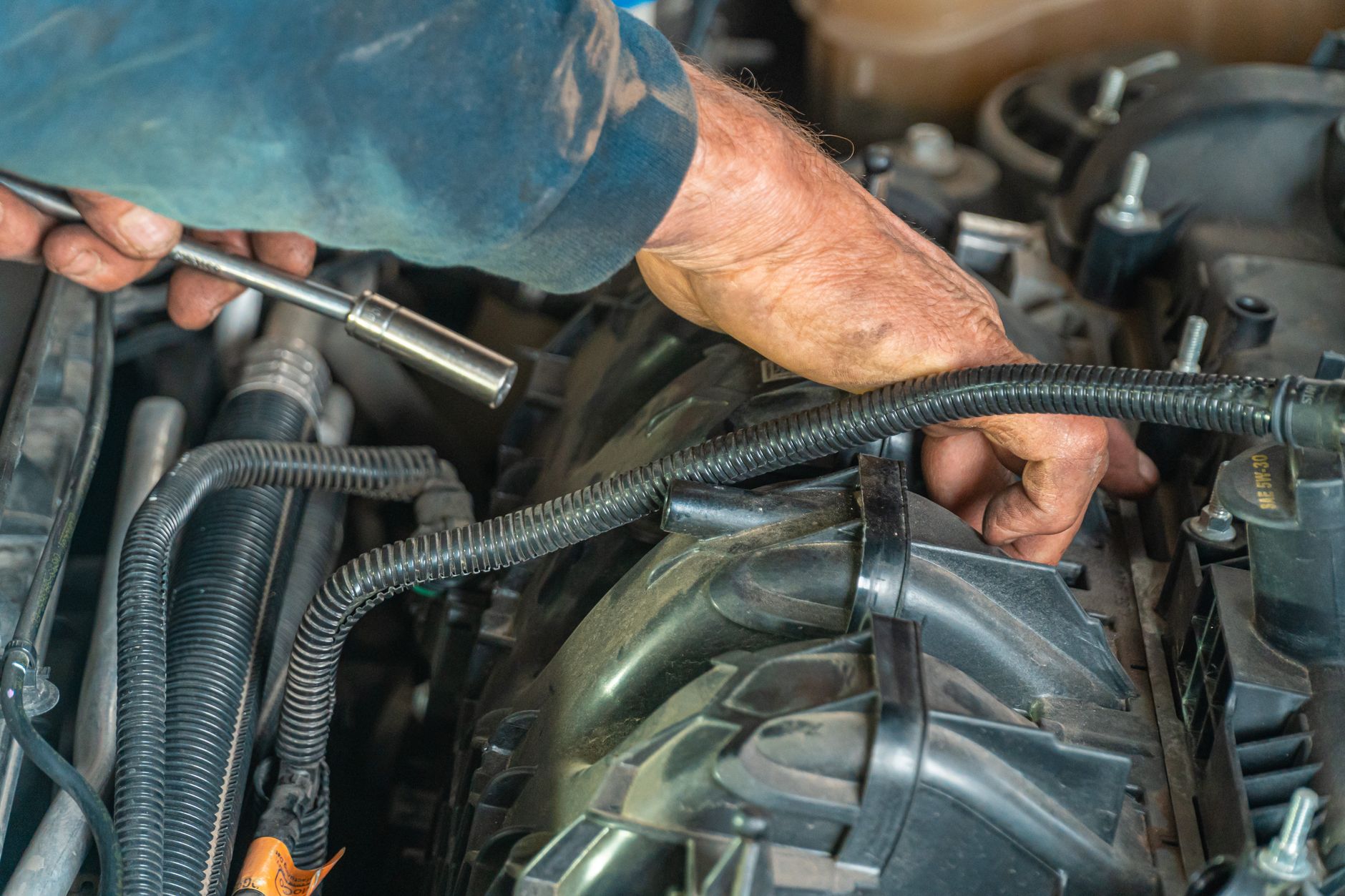
San Francisco drivers deal with a particular mix of conditions: steep hills that wear brakes faster than flat-city driving, salt air near the coast that speeds up corrosion, stop-and-go traffic on 101 and 280 that adds heat-cycle stress to transmissions, and a shortage of off-street parking that leads to more curb dings and glass damage than you'd see in a suburb. None of that means repair prices are fixed or predictable from a chart. It means the factors that move a price up or down are worth understanding before you call a shop, so an estimate makes sense instead of feeling like a guess.
This guide walks through the repair categories drivers ask about most — oil changes, brakes, transmissions, tires, glass and body work — and explains what actually drives the number on the invoice. It does not publish price tables, because shop rates change and vary by neighborhood, vehicle, and the specific parts a repair needs. What it gives you instead is the vocabulary to compare two estimates and know whether the gap between them is a shop being expensive or a shop quoting a genuinely different repair.
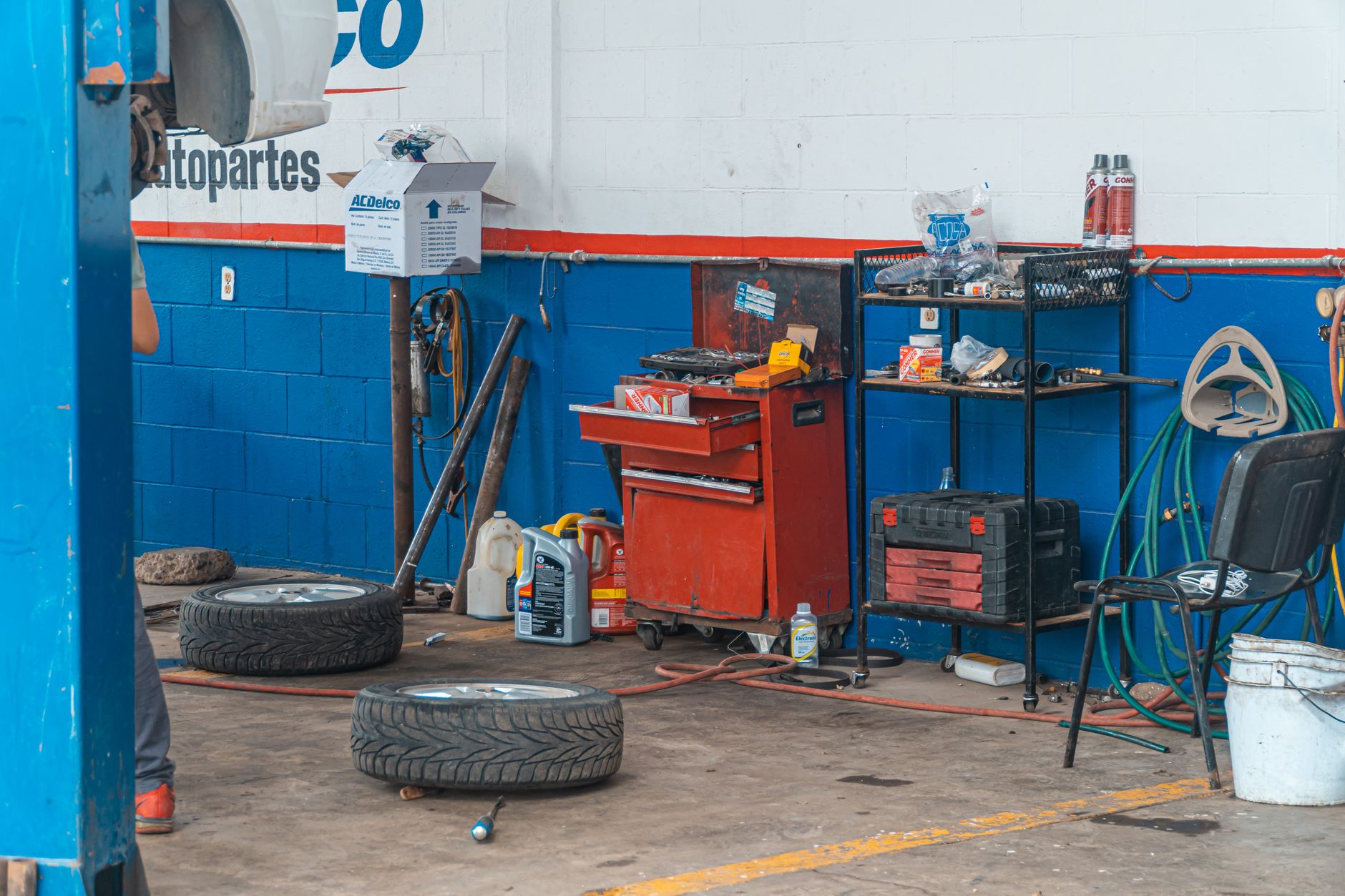
Labor rates in the Bay Area run higher than the national average, which is true across most trades, not just auto repair. That alone explains part of why a San Francisco estimate can look higher than one from a shop in a lower-cost region for what seems like the same job. Real estate is the other factor: a shop paying city rent per square foot prices its bay time differently than one on a highway frontage lot in a smaller town.
Beyond the city-wide cost base, three things move an individual estimate the most: the make and age of the vehicle (German and specialty imports often need OEM or dealer-sourced parts that cost more than universal aftermarket equivalents), whether the repair is routine maintenance or a diagnosis-driven fix (diagnostic time gets billed separately from the repair itself at most independent shops), and whether you're paying out of pocket or going through insurance, which changes which parts and processes are authorized.
An oil change price depends mostly on two choices: conventional, synthetic blend, or full synthetic oil, and whether your vehicle calls for a basic filter or a manufacturer-specific one. Many newer vehicles require full synthetic by the manufacturer's own service schedule, which is not the shop upselling you — check your owner's manual before assuming a quote is padded. Quick-lube chains post a base price for a standard service and then add for synthetic oil, more oil capacity on larger engines, or multi-point inspections; independent general-repair shops often fold more diagnostic attention into the same visit.
Oil Change Services · San Francisco, California
If you want a shop that will also flag a slow brake pad wear-down or a coolant leak during an oil change rather than just swapping fluid and moving to the next car, a full-service general repair shop is usually a better fit than a pure quick-lube bay.
Auto Repair Shops · San Francisco, California
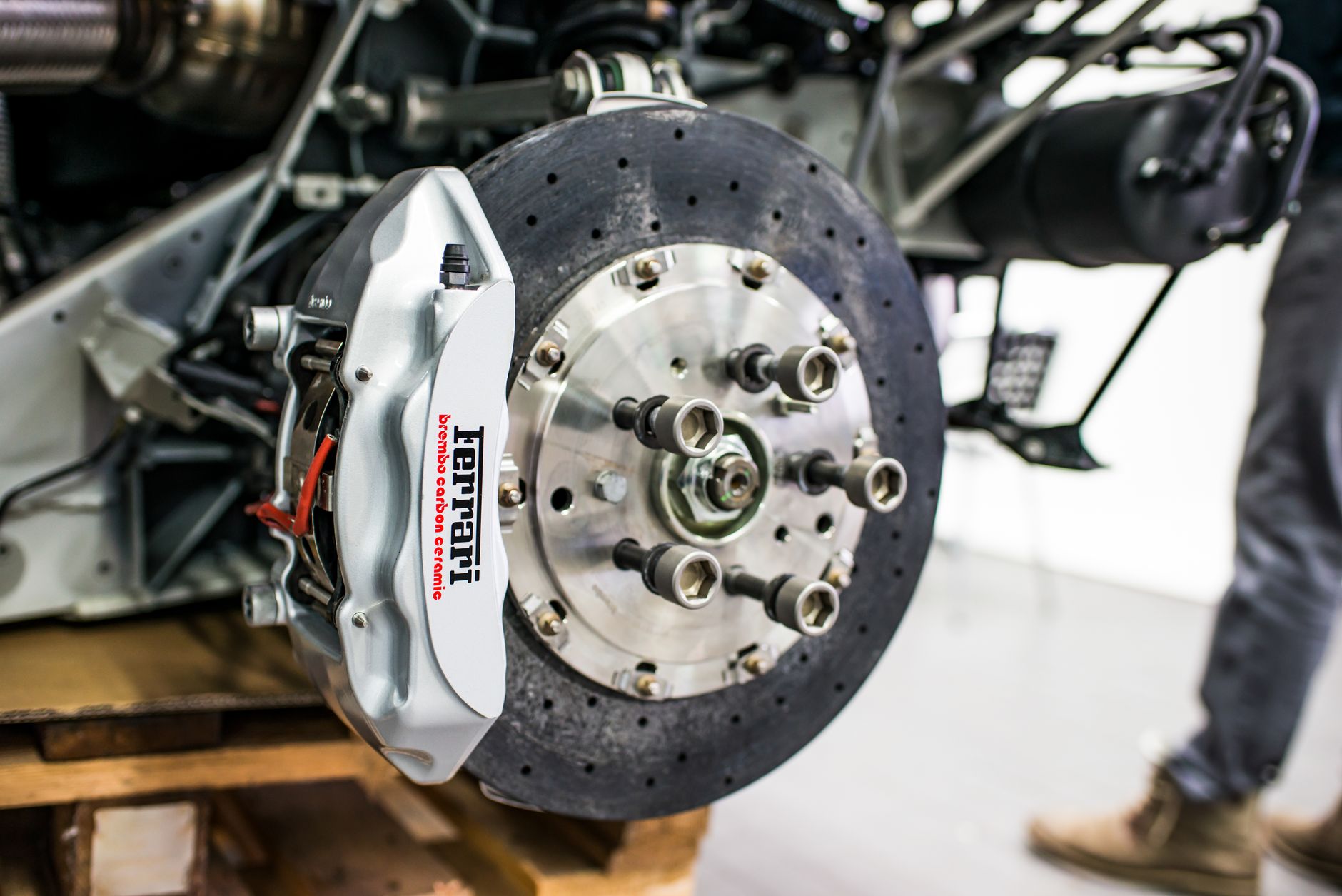
Brake estimates vary more than almost any other common repair because "brakes" can mean several different jobs. Pads-only replacement on rotors that are still within spec costs far less than pads-and-rotors together, and if calipers are sticking or a brake line is leaking, the job grows again. Ask specifically whether a quote includes resurfacing or replacing rotors, and whether the parts are OEM, a name-brand aftermarket equivalent, or an economy aftermarket part — all three show up in brake estimates and they are not interchangeable in expected lifespan.
Brake Shops · San Francisco, California
Hilly driving is genuinely harder on brakes than flat-city driving, since descending grades keeps pads and rotors under more sustained heat and pressure. If you drive the city's steeper routes regularly, don't be surprised if your pads wear down faster than a manufacturer's generic mileage estimate suggests — that's a function of terrain, not a sign something else is wrong.
This is the category where estimate confusion is most common, because "transmission repair" can mean a routine fluid and filter service, a targeted repair like a solenoid or seal replacement, or a full rebuild or replacement — and those sit at completely different cost tiers. A fluid service is maintenance; a rebuild is closer to a major engine repair in scope. When you call a shop, ask directly which tier your symptoms point to before assuming the worst (or the cheapest) case.
Transmission Shops · San Francisco, California
Modern automatic and CVT transmissions are also more sensitive to using the exact fluid specification the manufacturer calls for, which is one more reason a shop that specializes in transmissions can sometimes be a better call than a general shop for anything past a routine service.
A tire quote is rarely just "price per tire." Mounting, balancing, valve stems, disposal fees for your old tires, and an alignment check (recommended whenever tires are replaced, and necessary if wear is uneven) typically ride along with the tire cost itself. Tire brand and size matter obviously, but so does whether you're buying a matched set of four or patching in one or two — mismatched tread depth across axles isn't ideal on all-wheel-drive vehicles in particular.
Tire Shops · San Francisco, California
If a quote looks unusually low, check whether it includes mounting and balancing or just the tire itself — some online tire sellers ship you tires and leave installation as a separate line item at a local shop, which can close most of the gap with a shop that quotes everything together.
Windshield replacement has gotten more complicated on newer vehicles because many now mount a forward-facing camera or sensor package behind the glass for lane-keeping, automatic braking, or adaptive cruise control. Replacing the windshield on one of these vehicles usually requires an ADAS recalibration afterward, which is a separate step with its own cost — not an upsell, but a safety requirement, since a misaligned camera can misjudge distance. Ask specifically whether your vehicle needs recalibration and whether the shop performs it in-house or sends it out.
Auto Glass Repair & Replacement · San Francisco, California
A simple side window or rear glass replacement, by contrast, usually doesn't carry that extra step, which is part of why windshield and non-windshield glass quotes can look so different for what seems like a similarly sized piece of glass.
Body shop estimates split into two very different paths depending on whether you're paying directly or going through an insurance claim. An insurance-authorized repair follows a process the insurer and shop negotiate, often specifying which parts (OEM versus aftermarket) are approved and how paint blending into adjacent panels is handled. An out-of-pocket repair gives you more say over those choices, which can move the price in either direction — cheaper if you accept aftermarket parts and a tighter paint match area, more expensive if you want OEM parts and a wider blend for a seamless finish.
Auto Body Shops · San Francisco, California
Ask any body shop directly whether their estimate assumes insurance involvement, and get a second estimate if a claim adjuster's number and the shop's number disagree by a wide margin — that gap is common enough that most shops are used to walking customers through it.
The fastest way to find out why two quotes differ is to ask each shop the same handful of questions and compare the answers side by side, not just the bottom-line number.
| Repair type | What mainly drives the price | A good question to ask |
|---|---|---|
| Oil change | Conventional vs. synthetic, filter type, oil capacity | Does my owner's manual require full synthetic? |
| Brakes | Pads only vs. pads and rotors, OEM vs. aftermarket parts | Are the rotors being resurfaced or replaced? |
| Transmission | Fluid service vs. targeted repair vs. rebuild | Which of those three is this quote actually for? |
| Tires | Tire line, mounting/balancing, disposal fees, alignment | Does the price include mounting and balancing? |
| Auto glass | Windshield vs. side/rear glass, ADAS recalibration | Does my vehicle need a camera recalibration after? |
| Body/collision | OEM vs. aftermarket parts, paint blend area, insurance involvement | Does this estimate assume an insurance claim? |
A shop that answers these questions clearly and in plain language is generally a better sign than one that only offers a flat total with no breakdown — not because the total is necessarily wrong, but because you can't meaningfully compare two numbers you can't see inside.
The directory's San Francisco listings are organized by category, so you can go straight to the type of shop you need: general auto repair, oil change, brake shops, transmission shops, tire shops, auto glass, and auto body shops. The full San Francisco directory lists every category together if you're not sure yet which kind of shop your repair needs.
San Francisco repair prices vary for real reasons: labor and real estate costs that run higher than the national average, hills and weather that change wear patterns, and the fact that "brakes" or "transmission" or "glass" each cover a range of jobs rather than one fixed service. The single most useful habit is to ask what tier of repair a quote actually covers — routine service, targeted repair, or full replacement — and whether the price includes the secondary costs (mounting, recalibration, disposal, paint blending) that often explain why two numbers for the "same" job aren't really quotes for the same job at all. Check current rates directly with shops near you, and use the breakdown above to ask the questions that make those rates make sense.
19 Oct 2026 · 8 min read
A category-by-category look at where Santa Ana drivers go for repair, tires, brakes, transmissions, body work and glass in 2026.
santa ana california auto repair
18 Oct 2026 · 7 min read
What sets diesel engine service apart in 2026, the problems Houston diesel owners run into most, and how to find a shop equipped to handle them.
houston texas diesel repair
17 Oct 2026 · 8 min read
What pulling, uneven tire wear and an off-center steering wheel mean, and how Anaheim drivers can get an alignment checked and fixed.
anaheim california wheel alignment